"Spreading The Echo" campaign 2026
On the occasion of the 16 Days of Activism against Gender-Based Violence, WHRDIC is relaunching the “SPREADING THE ECHO” campaign for the third year. For 16 days, we will feature the profiles of 30 women human rights defenders imprisoned for their human rights work and activism. Our demand is to set all WHRDs free. #SpreadingTheEcho #freeWHRDs
This year’s campaign is co-sponsored by our members - International Service for Human Rights (ISHR), Gulf Center for Human Rights (GCHR), Coalition of Women Human Rights Defenders in the SWANA region (WHRD MENA), FORUM-ASIA, Femena, Mesoamerican Initiative of Women Human Rights Defenders (IM-Defensoras), Front Line Defenders (FLD), World Organisation Against Torture (OMCT), International Federation for Human Rights (FIDH), Urgent Action Fund for Feminist Activism (UAF), and Association for Progressive Communications (APC) - who provided information on the cases.
WHRDIC first launched the #SpreadingTheEcho campaign in 2023. Since then, several WHRDs featured in our campaigns have been released! Some reached out to WHRDIC to share their gratitude for standing with them in the collective fight for their freedom.
The Women Human Rights Defenders International Coalition is demanding the immediate release of all imprisoned women human rights defenders.
You can show your solidarity by writing a letter to women human rights defenders as part of WHRDIC’s global "Letter to Sister" action, in partnership with Global Citizen. Take action here.
Below, we present the stories of the imprisoned defenders and the injustices they continue to face.
***
Aytaj Tapdig
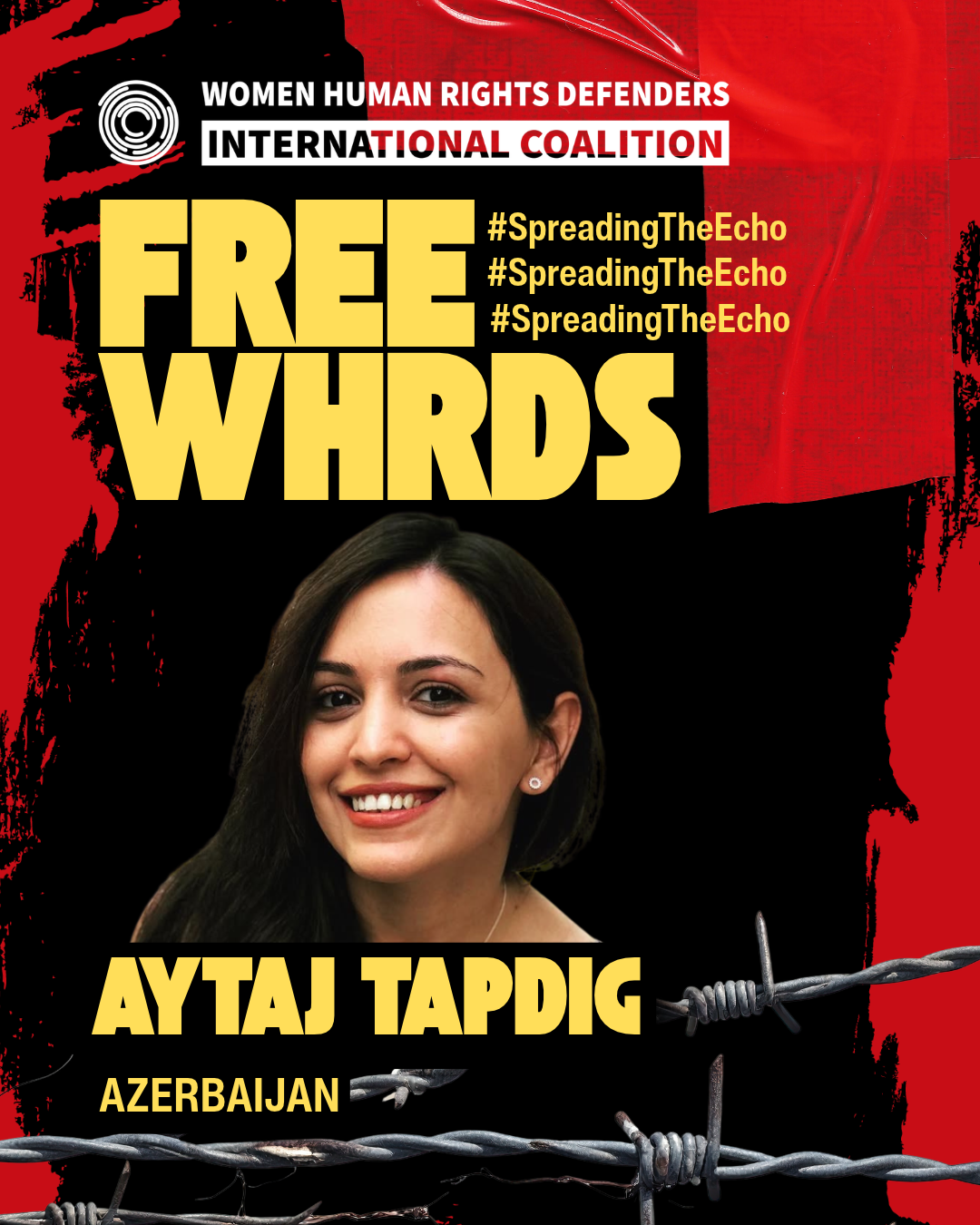
Aytaj Tapdig was arrested on 6 December 2024 as part of a new wave of arrests targeting independent media and civil society in Azerbaijan. Her detention was initially extended under the pretext of an “investigation period”. On 12 December 2025, open court hearings finally began at the Baku Court on Grave Crimes. The trial is still ongoing, and a verdict is expected within the next four to five months. Under the articles she is charged with, she faces up to 20 years in prison.
Since her arrest, Aytaj has been subjected to smear campaigns by pro-government television channels. On 18 February 2026, she was subjected to physical violence and threats of rape by detention facility staff, in what international organisations have referred to as the “February assault”. Although she suffers from breathing difficulties caused by a deviated nasal septum, the authorities have prevented her from receiving medical care. They deliberately keep her in a detention facility built on drained lake land, where damp conditions prevail. Despite these circumstances, Aytaj continues to challenge the authoritarian/patriarchal regime through statements delivered in court and articles published from detention.
Aytaj is a journalist and feminist activist. Through her journalism, she reports on human rights violations affecting impoverished groups in Azerbaijan, violence against women, and protests. She is also known for travelling to underdeveloped regions of the country to report on people who are denied their rights.
She is one of the few publicly known feminist activists in the country and has delivered statements at feminist marches. For the past two years, she has published her 8 March statements from prison.
Sidibé Rokia Doumbia
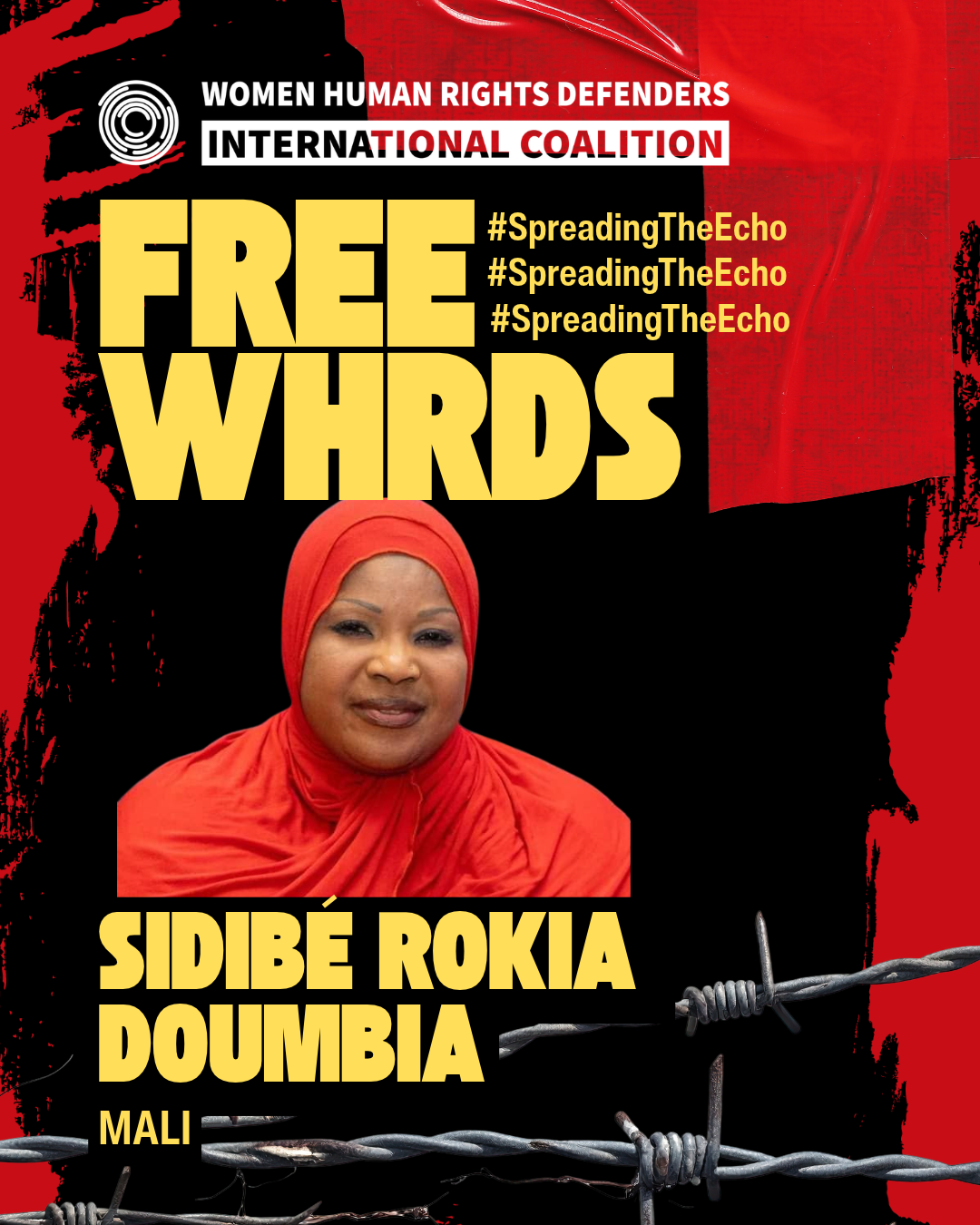
In March 2023, Sidibé Rokia Doumbia was arrested after posting a TikTok video denouncing the cost of living and power cuts. She was accused of insulting the Head of State, inciting revolt and disturbing public order. In August 2023, she received a one-year prison sentence for criticizing the government online. On 17 August 2026, the Court of Appeal of Bamako sentenced her to ten years in prison, seven of which are to be served without parole.
She was accused of ‘criminal conspiracy’ and ‘undermining the credibility of the State, its institutions and its leaders through the use of information and communication technologies’.
Sidibé Rokia Doumbia, known as “Rose la Vie Chère”, is a Malian defender of economic and social rights and an activist campaigning against the high cost of living. She is well known in Mali for her activism and has a large following on social media.
Nancy Henríquez
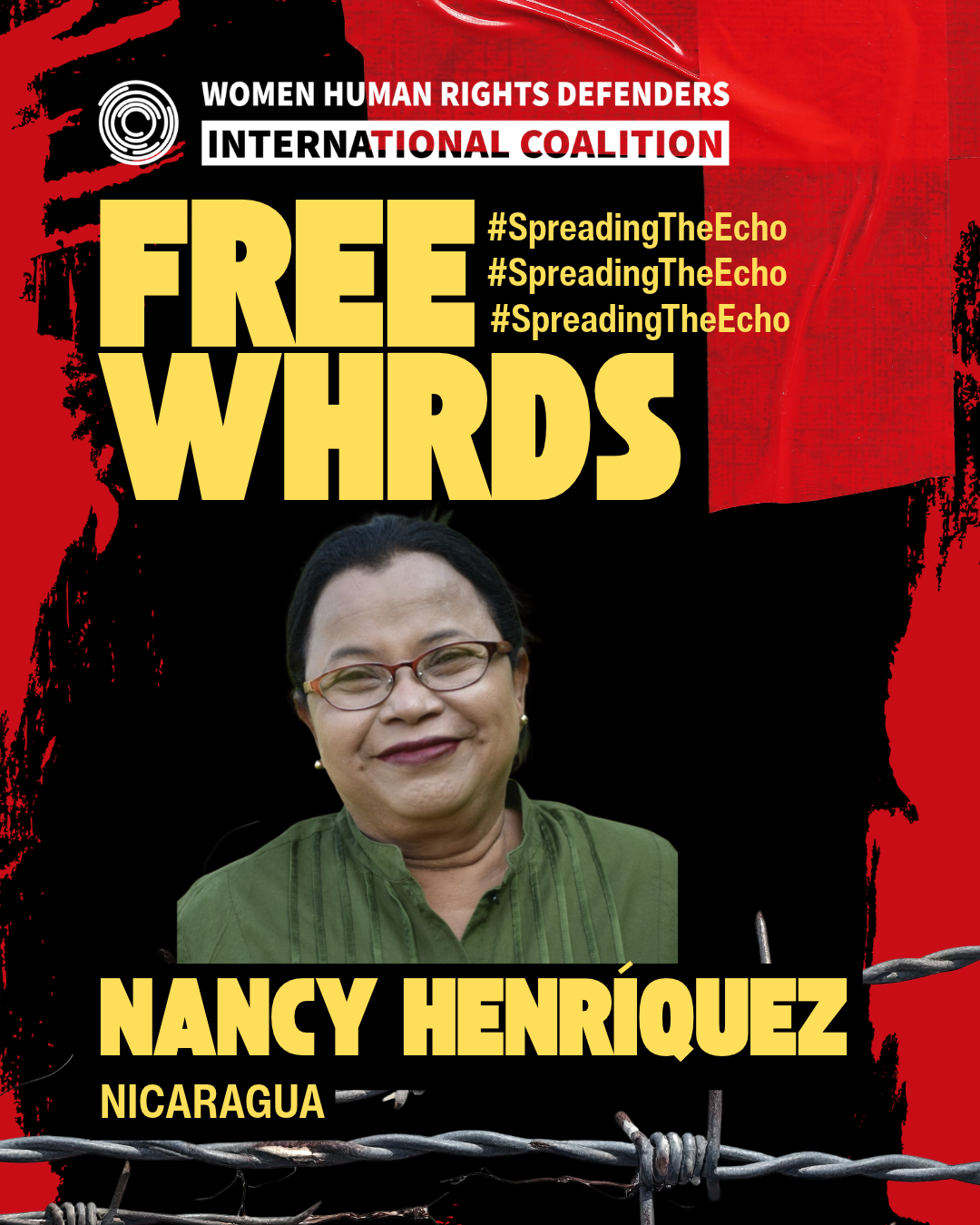
Nancy Henríquez (64), along with several other Nicaraguan women human rights defenders, is currently out of prison but remains under a “casa por cárcel” regime (similar to house arrest). They are not free; on the contrary, this situation turns their homes into prisons for them and their families, causing severe socio-emotional and physical harm and affecting their communities.
Nancy Elizabeth Henríquez James is the president and legal representative of the indigenous political party Yapti Tasba Masraka Nanih Asalatakanka (YATAMA), which means “Sons of Mother Earth” in the Miskito language.
Nancy Elizabeth has a long history of defending women’s rights and the rights of the Miskito people. In recognition of her work, she received the title of “Woman of Autonomy” for her career in defending the rights of Miskito women. In 1991, she founded the Association of Indigenous Miskito Women of the Caribbean Coast of Nicaragua.
Nancy was arrested in Managua on 1 October 2023, after attending an appointment with the National Police. Two months later, she was sentenced to eight years in prison for the alleged crimes of conspiracy to undermine national integrity and spreading false news.
On 1 February 2024, the Inter-American Court of Human Rights granted provisional measures for Nancy and her family and ordered her immediate release.
Nancy suffers from high blood pressure. Her emotional state is fragile, and she has experienced depression. She has also been unable to regain weight.
Manahel Al-Otaibi
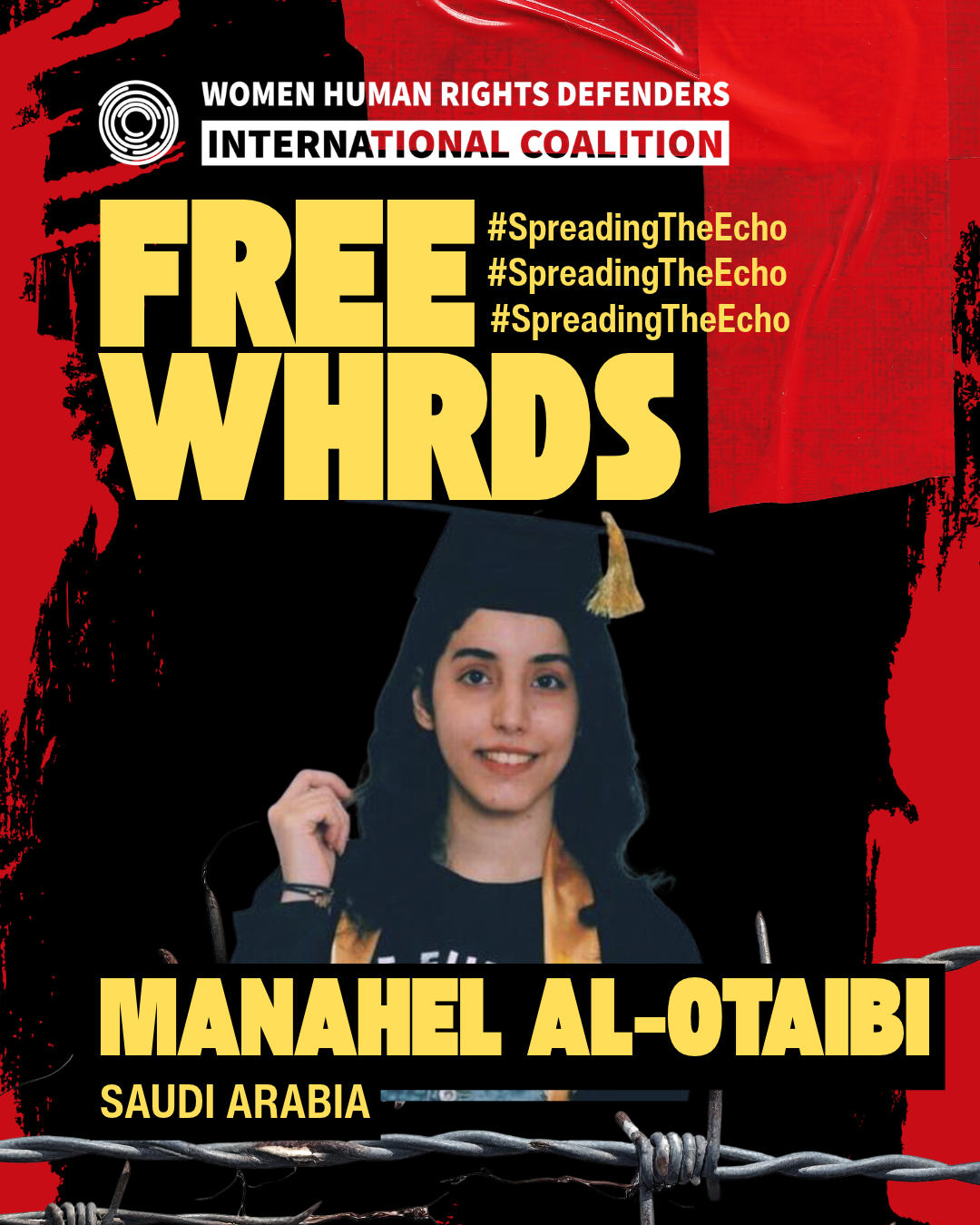
On January 9, 2024, fitness instructor Manahel Al-Otaibi was sentenced to 11 years in prison following a secret hearing before the Specialised Criminal Court (SCC).
At a hearing on 21 August 2025, the SCC overturned Manahel’s 11-year jail term but handed down a new five-year sentence (followed by a five-year travel ban). With time served, she will not be freed until 2027.
Manahel Al-Otaibi is a 30-year-old online influencer and fitness instructor, who was active online in documenting her daily lifestyle, and celebrated the new Vision 2030 plan and the reforms of women’s rights in Saudi Arabia, including allowing women to dress as they please.
She was also active in previous online campaigns calling for an end to the male guardianship system and the ban on women driving, using feminist hashtags.
Her charges included peacefully promoting women’s rights, wearing “indecent” clothing, and tweeting with feminist hashtags.
Manahel has been held in solitary confinement, suffered physical abuse that resulted in a broken leg, and has been denied proper medical care.
Her two sisters, Maryam and Fawzia Al-Otaibi, were also targeted by the authorities using various forms of legal harassment, including travel bans, summons for interrogations, threats of imprisonment, and denial of obtaining permits for online work.
Zhang Zhan
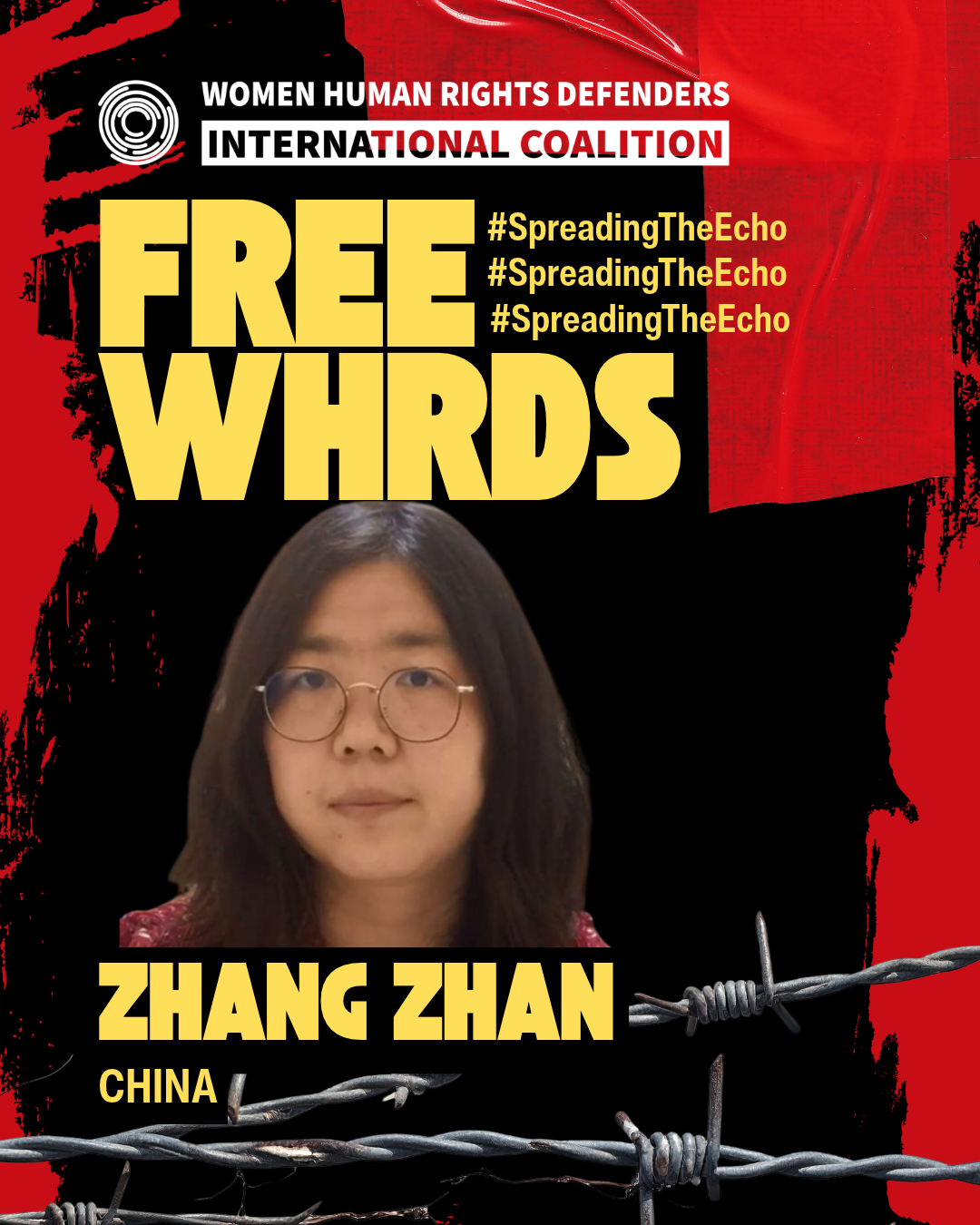
On September 19, 2025, Zhang Zhan was found guilty of provoking disturbances and sentenced to four years in prison. She was accused of posting a large amount of “false information that seriously damaged the image of the country” on Twitter and YouTube.
Zhang's health has deteriorated significantly during her latest imprisonment. Following repeated hunger strikes to protest her detention, she has suffered severe stomach problems, substantial weight loss and extreme weakness, raising serious concerns for her health.
Before this sentence, she had already been convicted in 2020 and sentenced to four years in prison.
Zhang Zhan is a former lawyer whose licence was revoked because she actively spoke out about politics and the human rights situation in China.
She travelled to Wuhan, the epicenter of the COVID-19 outbreak, in early February 2020. From there, she reported numerous stories, including the detentions of other independent reporters and the harassment of families of victims seeking accountability, using her WeChat, Twitter, and YouTube accounts.
Because of her activism, Zhang was allegedly repeatedly threatened by the authorities. In 2019, she spoke out about the protests held in Hong Kong, expressing her support for the protesters by posting comments, writing articles, and holding up placards.
Kimia Davoodi
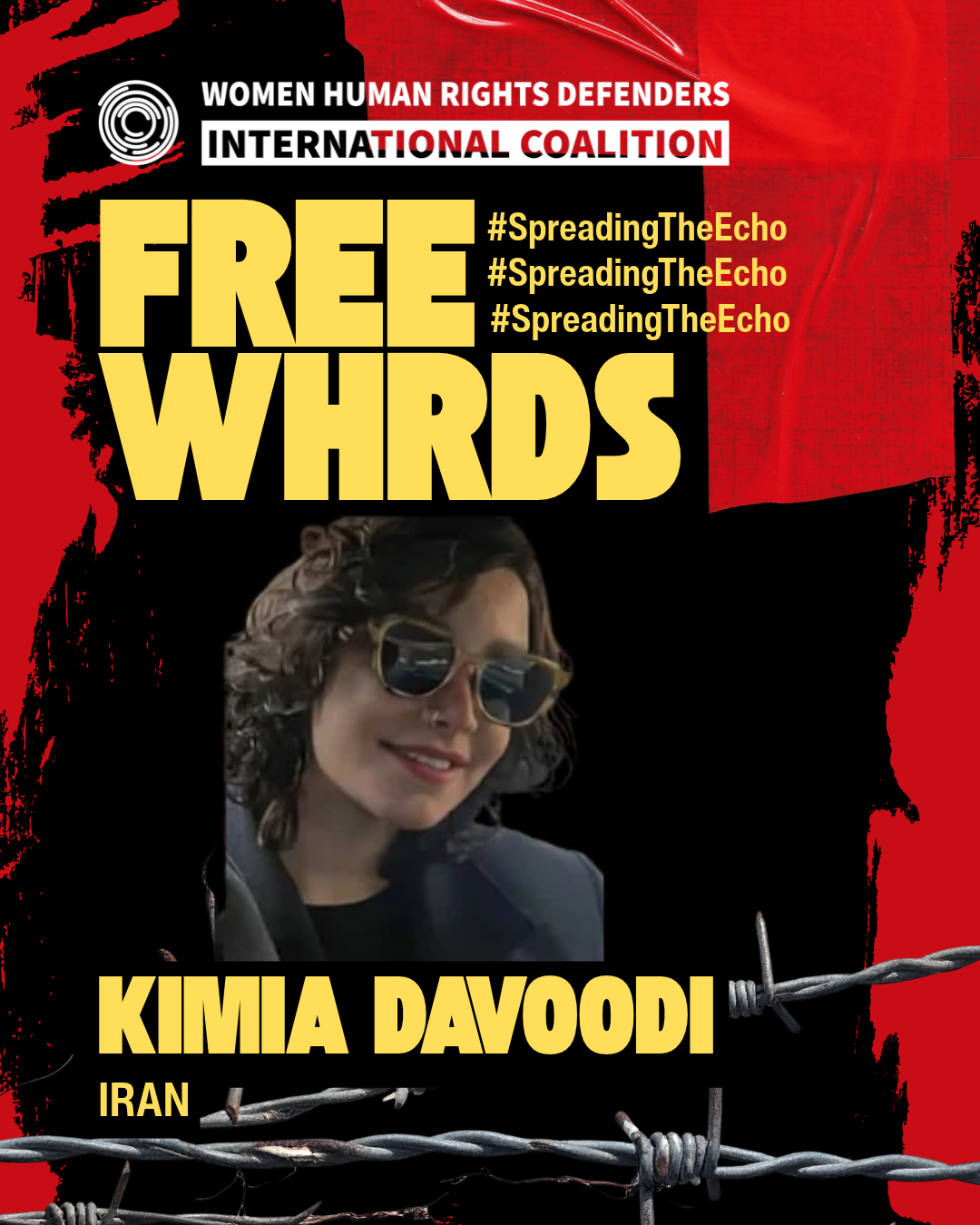
On 14 January 2026, Kimia Davoodi was arrested by security forces in Tehran alongside her sister, and reportedly subjected to physical violence. They subsequently faced serious national security charges and lengthy prison sentences. In May 2026, reports emerged that Kimia had been sentenced to 10 years in prison and Tara to six years. Tara received pardon and was released on October 2026 but Kimia remain in Prison.
Kimia Davoodi is known for her participation in the nationwide protests of January 2026. Kimia studied law and reports indicate that she didn’t have a known history of organised political activity before her arrest.
Her participation in and support for the protests placed her among the many young Iranian women who have challenged political repression and demanded fundamental rights and freedoms. Her case illustrates the risks faced by women participating in protest movements in Iran, where exercising the fundamental rights to freedom of expression and peaceful assembly can result in imprisonment.
Kenia Inés Hernández Montalván
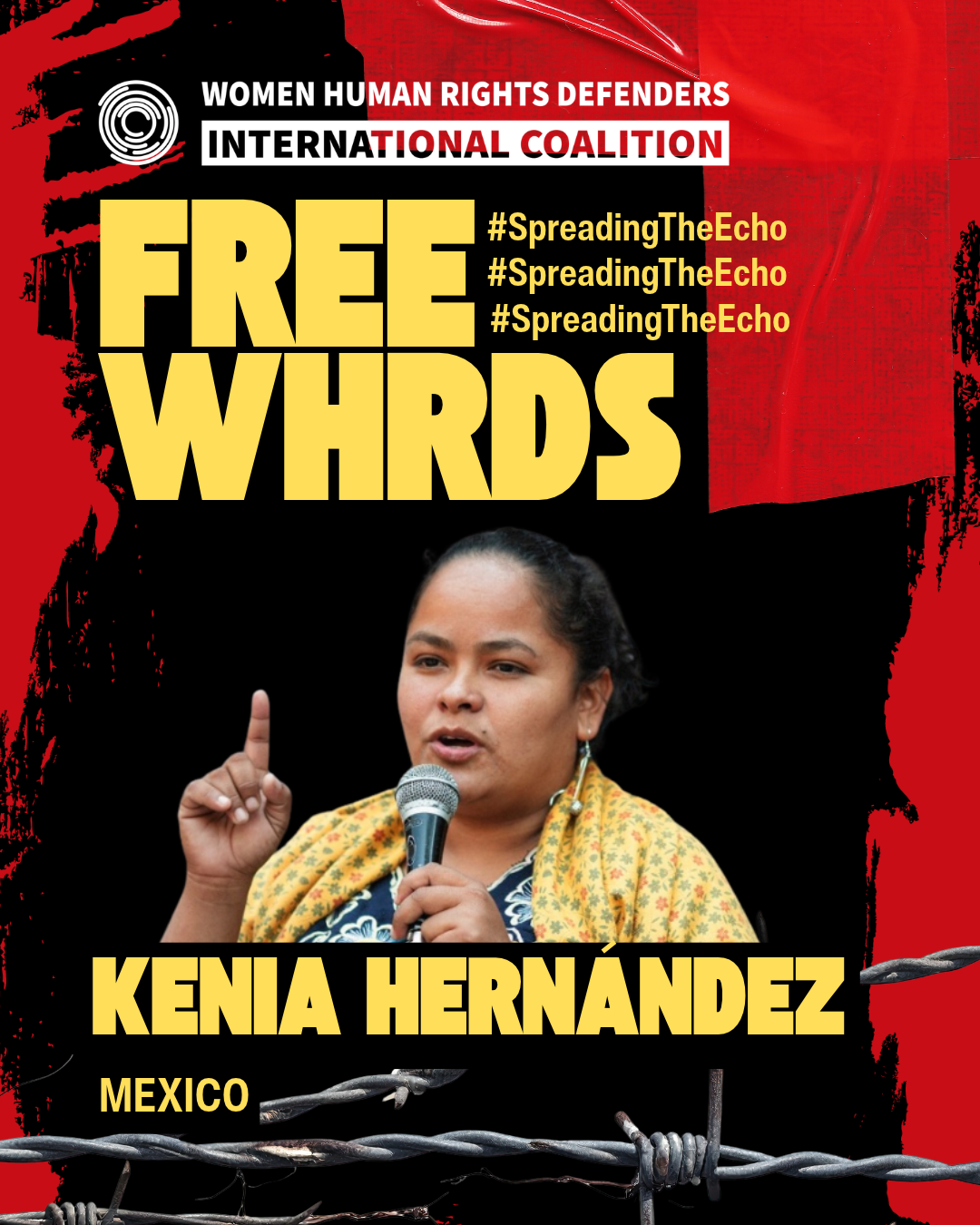
Kenia Inés Hernández Montalván has been imprisoned since 2020.
During this period, the defender has faced 10 criminal proceedings for fabricated crimes in different states of Mexico. In two of them, she has been sentenced to more than 21 years in prison. These cases arise from her peaceful participation in liberación de casetas protests, a form of social protest in which demonstrators temporarily occupy toll booths, allow vehicles to pass without paying tolls and collect voluntary donations to support social or political causes.
Kenia Hernández is an Amuzga indigenous woman, feminist and mother of two.
She is a lawyer and human rights defender. She has been active in various social movements advocating for women land and indigenous peoples' rights. She co-founded the Movement for the Freedom of Political Prisoners and led the collective ‘Zapata Vive’, which campaigns against political repression and discrimination affecting Indigenous and marginalised communities. Kenia has become a prominent voice for human rights in Mexico and a symbol of resistance against the criminalisation of social protest.
At the time of her arrest, the defender was the primary caregiver for her two minor children, who were left in the care of her mother, who died last year, without the prison authorities granting her permission to attend the funeral. In prison, she has continued her work as a defender, going on two hunger strikes in protest against the inhumane conditions of detention and the judicial harassment she faces.
Hoda Abdelmoneim
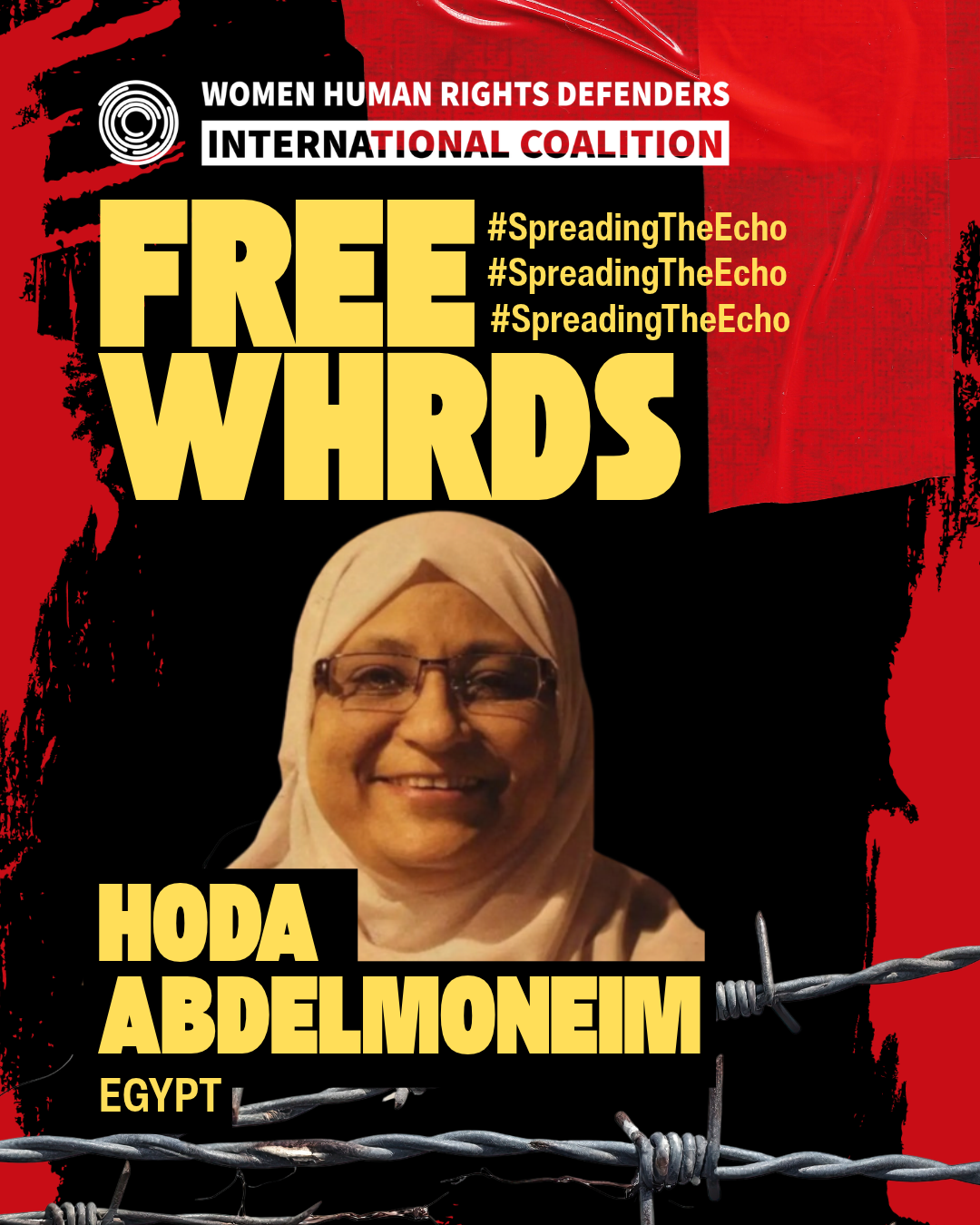
Since 2018, Hoda Abdelmoneim has been detained, denied visits from family and lawyers. Hoda suffered from worsening health issues due to lack of medical care. According to her lawyer, Hoda had two heart attacks on 23 and 30 August 2025.
Hoda Abdelmoneim (67) has been a lawyer and human rights defender since 1983. She received the 2020 Human Rights Award from the Council of Associations of Lawyers and Judicial Bodies in Europe and served on Egypt's National Council for Human Rights.
Ms. Abdelmonem suffers from cerebral arterial constriction, which left her bedridden for 12 consecutive days and completely unable to move. She also suffers from chronic deep vein thrombosis (DVT) accompanied by multiple pulmonary embolisms, requiring strict adherence to continuous treatment, to stabilize her condition and prevent clot migration to the lungs — a potentially fatal risk. She further suffers from severe hypertension, acute inflammations in the joints and spine, and is in urgent need of knee replacement surgery. Her kidney functions have also deteriorated significantly, as her left kidney has completely ceased functioning, while her right kidney shows severe reflux. In addition, she previously suffered an angina attack while in detention, and her health continues to deteriorate due to systematic medical neglect.
The continuation of Hoda’s pre-trial detention lacks any legal basis. She has been “rotated” into two new cases both carrying the same charges (joining a terrorist group and terrorism financing) as the first one back in 2018. Re-imposing the same charges constitutes a blatant violation of the most basic guarantees of a fair trial.
The repeated “rotation” of Hoda Abdelmonem — for the third time, despite the expiry of her sentence in October 2023 — epitomizes the flagrant disregard for judicial rulings.
Rukhshona Khakimova
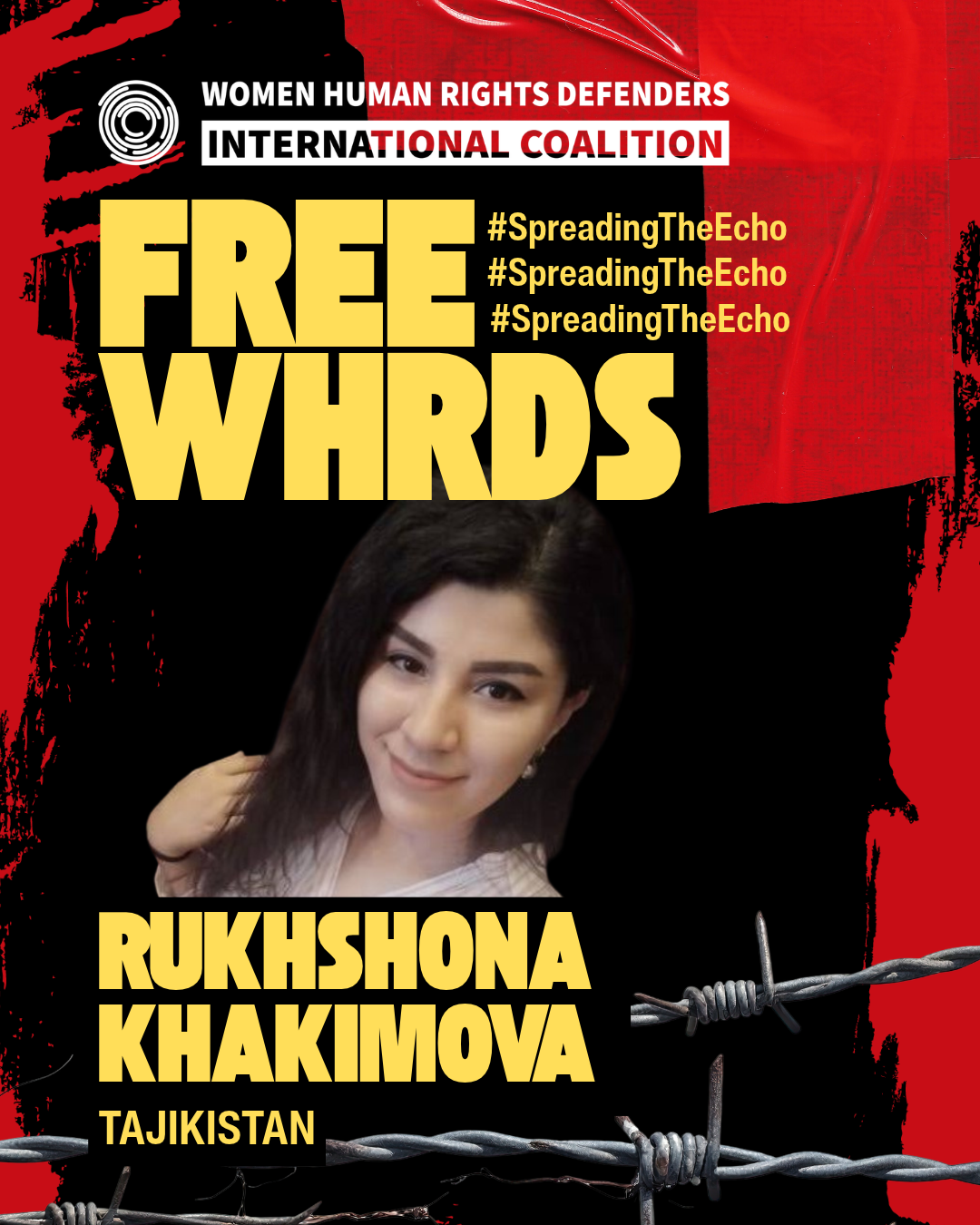
On 5 February 2025, the Supreme Court of Tajikistan convicted Rukhshona Khakimova of treason and sentenced her to eight years in prison. The verdict was upheld on 2 April 2025. Rukhshona was allegedly detained twice in July 2024 without a warrant or formal charges. Although she was charged in July, neither she nor her lawyer was informed of the charges for several months. They were also denied access to the case documents, and her lawyer was neither provided with a copy of the verdict nor permitted to meet with her following her conviction.
Rukhshona Khakimova is a 31-year-old independent journalist and woman human rights defender from Tajikistan. She has worked in journalism since 2013, including at the Centre for Investigative Journalism of Tajikistan, the National Association of Independent Mass Media in Tajikistan and leading media outlets. Her work has covered issues including children's and women's rights, religious freedom, detainees' rights and torture, as well as healthcare and education.
Imaan Mazari-Hazir
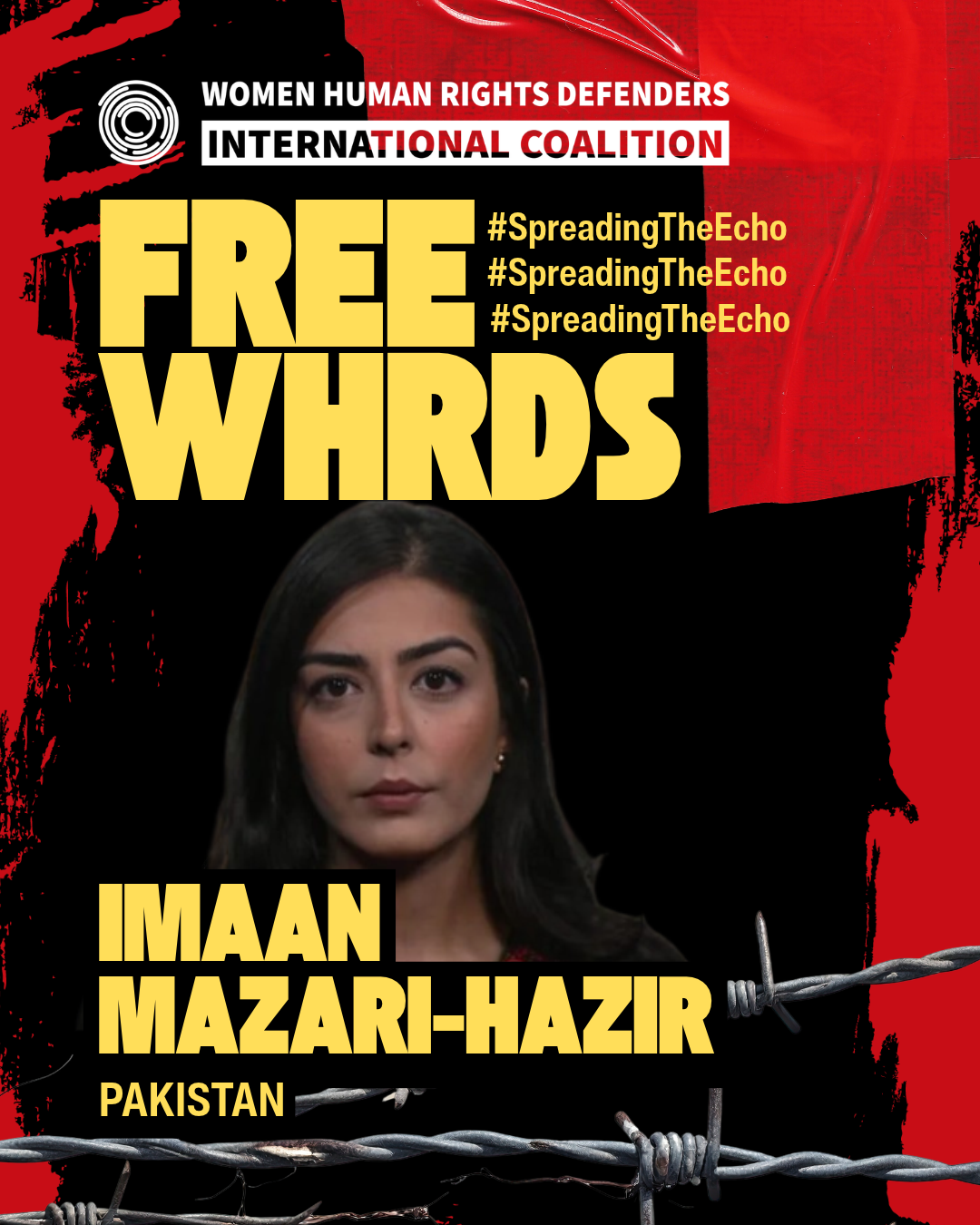
Imaan Mazari-Hazir faces two criminal proceedings. In the first case, on 24 January 2026, she was sentenced to 17 years in prison for posting and reposting tweets criticising the persecution of Baloch and Pashtun communities in Pakistan and the role of Pakistan’s military in this persecution. The second case is still at the pre-trial stage. As a human rights defender, she faces legal challenges and alleged judicial harassment linked to her advocacy and legal work.
Imaan Mazari-Hazir is a Pakistani human rights lawyer and human rights defender known for her work on civil and political rights, the rule of law, and accountability. She has represented victims of enforced disappearances, extrajudicial killings, arbitrary arrests, custodial abuse, and other alleged human rights violations. Her legal advocacy focuses on challenging unlawful state practices and seeking justice for individuals whose fundamental rights have been violated.
Imaan Mazari-Hazir received the 2025 WEXFO Young Inspiration Award and, in 2026, was awarded the Ludovic-Trarieux International Human Rights Prize.
On 17 September 2026, the Supreme Court granted her bail and suspended her sentence pending a decision by the Islamabad High Court. However, she was immediately re-arrested in connection with a separate case relating to her alleged participation in a protest in Islamabad and brought before an Anti-Terrorism Court (ATC). The ATC rejected the police’s request for physical remand and ordered that she be held in jail on judicial remand. On 29th October 2026, she was convicted for the second time in less than a year. This time, she was sentenced to 10 years in a security breach case following a jail trial.
Saâdia Mosbah
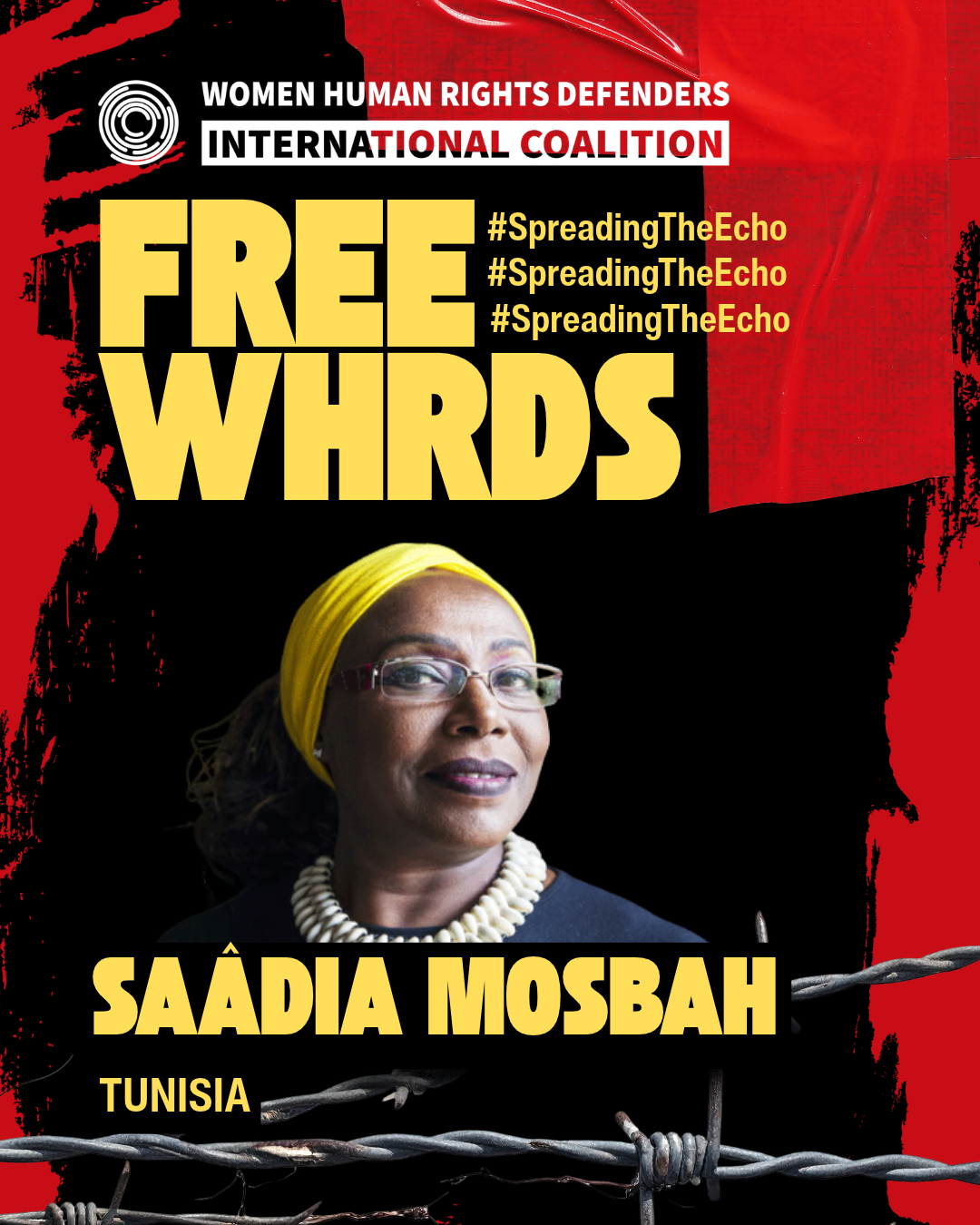
Saâdia Mosbah was detained on 6 May 2024. On 19 March 2026, she was sentenced to eight years in prison on charges of money laundering and illicit enrichment. The charges relate to funds received from identified and legally registered donors. Her bank accounts, including her pension account, and personal belongings were also seized. The sentence was upheld on appeal on 23 June 2026. Saâdia was arrested at her home shortly after President Kaïs Saïed accused civil society organisations of “treason” and “collusion with foreign parties”, amid a broader crackdown on organisations defending migrants’ rights. Her arrest followed months of public attacks accusing her of serving foreign interests and profiting from irregular migration.
Saâdia Mosbah (67) is a Black Tunisian human rights defender and the founder of Mnemty, an organisation that has fought racism and defended the rights of migrants and people of African descent in Tunisia for more than a decade. She has played an important role in the fight against racial discrimination and contributed to the adoption of Tunisia’s landmark 2018 law against racial discrimination.
In 2013, Saâdia Mosbah co-founded Mnemty (“My Dream”), named after Martin Luther King’s “I Have a Dream” speech, and became its President. Under her leadership, Mnemty became Tunisia’s leading anti-racism organisation, working to combat institutional, cultural and social racism through awareness-raising and education.
Saâdia led the advocacy efforts that resulted in the adoption of Law No. 50-2018 of 9 October 2018, which criminalises racial discrimination. The law was a pioneering development in the Maghreb and the Arab world. From 2023 onwards, she stood on the front line in defending Sub-Saharan migrants targeted by hate speech and violence.
She is now awaiting a ruling from the Court of Cassation, which could finalise her eight-year prison sentence. Saâdia suffers from hypertension and knee problems, and her health has deteriorated in prison. She has developed skin, dental and shoulder problems. She has no pillow and is forced to sit on an upturned bucket.
Amani Al-Zain
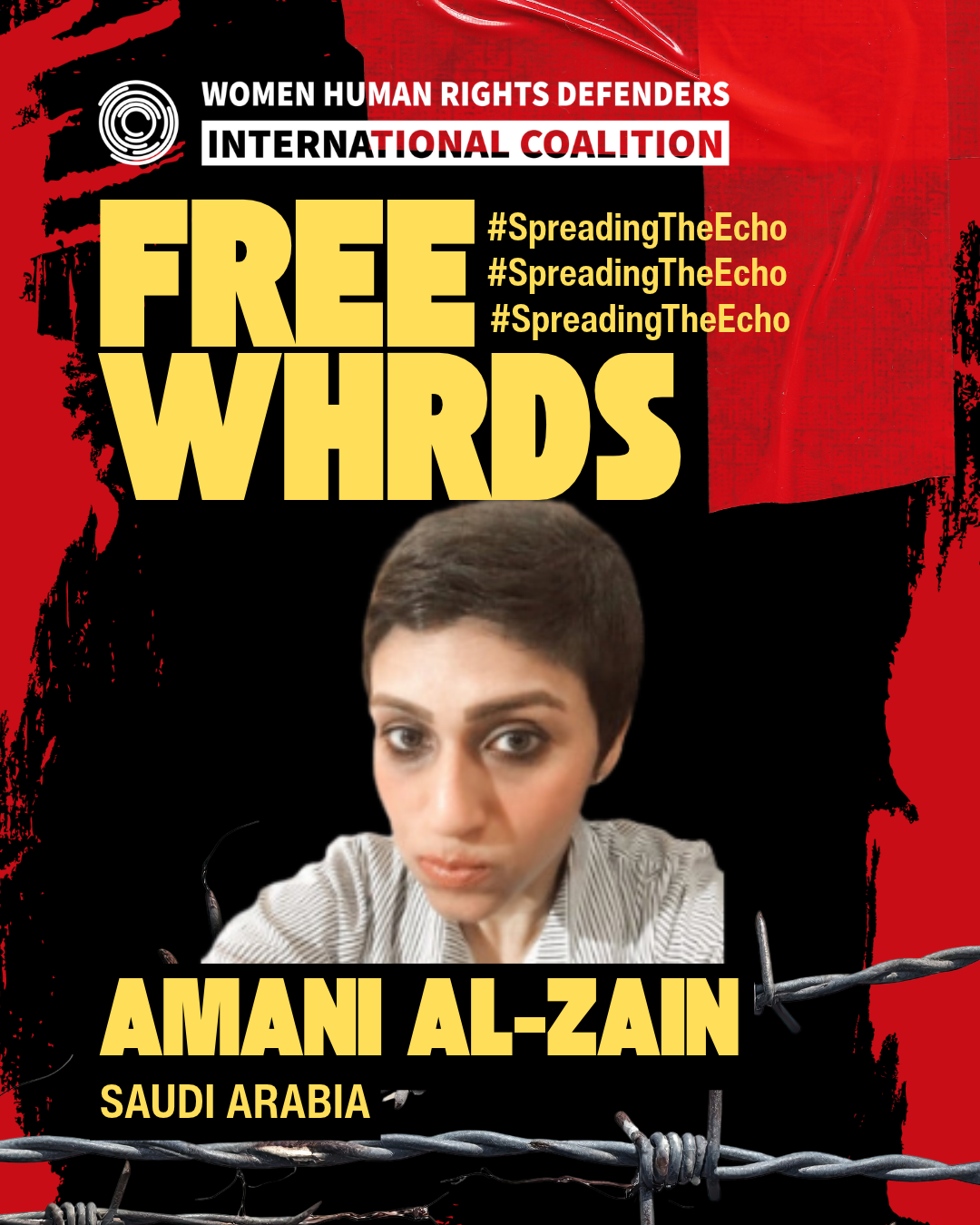
Amani Al-Zain has been arbitrarily detained since 17 May 2020 by the Presidency of State Security on direct orders from Crown Prince Mohammed bin Salman. She was detained following the resurfacing of a video chat from 15 October 2019 with Egyptian activist Wael Ghonim in which she referred to the Saudi Crown Prince as “Abu Munshar” (“father of the saw”) in reference to the killing of Saudi journalist Jamal Khashoggi.
The video spread widely on social media, and pro-government users launched a Twitter campaign under the hashtag calling for her arrest.
Amani Al-Zain is a Saudi internet activist from Jeddah who used her Twitter account to express dissent and support for arrested human rights defenders and internet activists.
She has been held in an undisclosed location with no access to legal representation, family or any form of due process. She has not had a public trial.
Parastoo Ahmadi
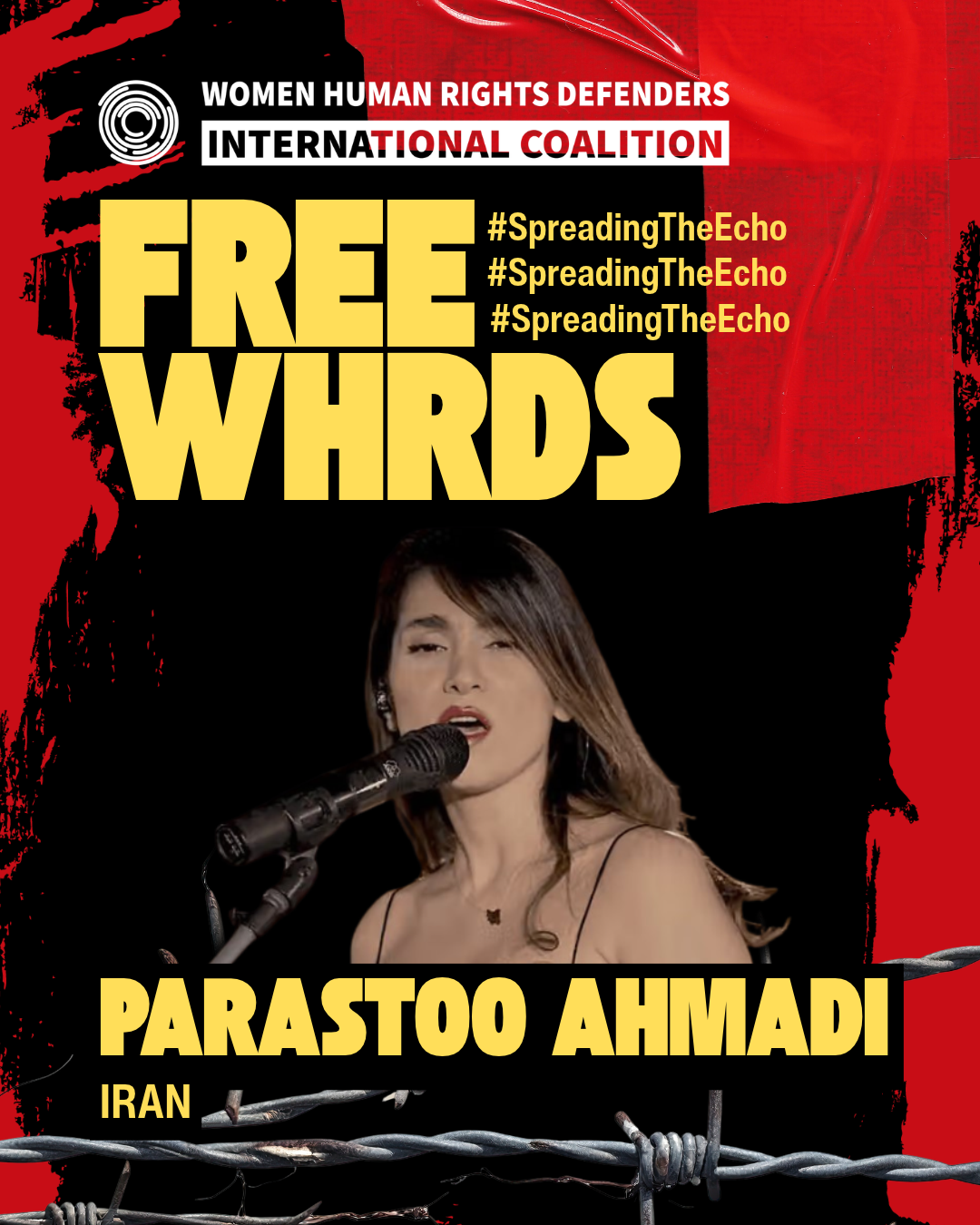
On 14 December 2024, Parastoo Ahmadi was arrested alongside two members of her musical team. She was subsequently released on bail and later sentenced to 74 lashes and a two-year travel ban. The sentence was upheld by the Court of Appeal.
On 11 December 2024, she released an online concert titled Caravanserai Concert on YouTube, in which she performed without wearing the compulsory hijab and without obtaining authorisation from the Iranian authorities. The performance, which featured Parastoo singing alongside four male musicians, attracted widespread attention and was viewed as an act of resistance against discriminatory restrictions on women’s artistic expression in Iran. Shortly afterwards, Parastoo was arrested alongside two members of her musical team. She was subsequently released on bail and later sentenced to 74 lashes and a two-year travel ban. The sentence was upheld by the Court of Appeal.
Parastoo Ahmadi is a 29-year-old Iranian artist and singer known for challenging gender-based restrictions on women’s artistic expression in Iran. She studied music and pursued her career as a vocalist despite the restrictions imposed on women’s solo singing in public. In December 2024, she gained international recognition after releasing her Caravanserai Concert on YouTube, in which she performed without wearing the compulsory hijab and without obtaining official authorisation. Her performance attracted widespread attention and became a symbol of resistance against the Iranian government’s restrictions on women’s voices, artistic freedom and bodily autonomy.
Pham Doan Trang
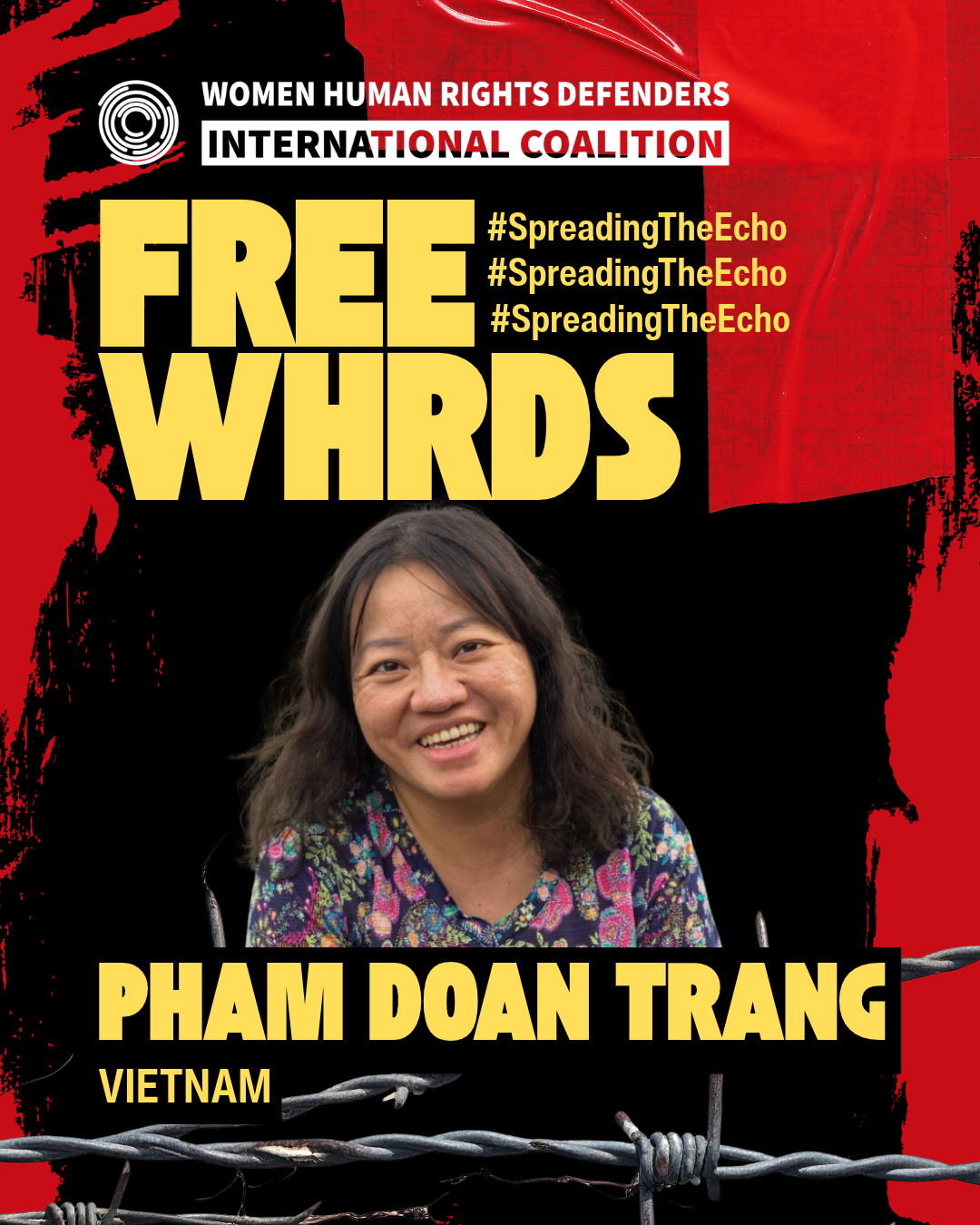
Pham Doan Trang was arrested in Ho Chi Minh City on 6 October 2020 in connection with her independent journalism and writings critical of the Vietnamese government. On 14 December 2021, the Hanoi People’s Court sentenced her to nine years in prison for disseminating alleged anti-State propaganda. In Opinion No. 40/2021, the UN Working Group on Arbitrary Detention concluded that her detention was arbitrary and called for her immediate and unconditional release. Despite this finding, she remains imprisoned, amid continuing concerns about her health, access to adequate medical care and separation from her family.
Pham Doan Trang is a Vietnamese journalist, author and human rights defender known for her advocacy for democracy, freedom of expression and political reform in Viet Nam. She co-founded several independent media and publishing initiatives, including Luat Khoa Magazine, The Vietnamese Magazine and Liberal Publishing House. She has also written extensively on human rights, democratic participation and non-violent resistance. Her publications aim to make political and legal knowledge accessible to ordinary citizens.
She has received several international awards, including the 2019 Reporters Without Borders Press Freedom Prize for Impact, the 2022 Martin Ennals Award and the 2024 PEN/Barbey Freedom to Write Award.
Fatima Saleh Al-Arwali
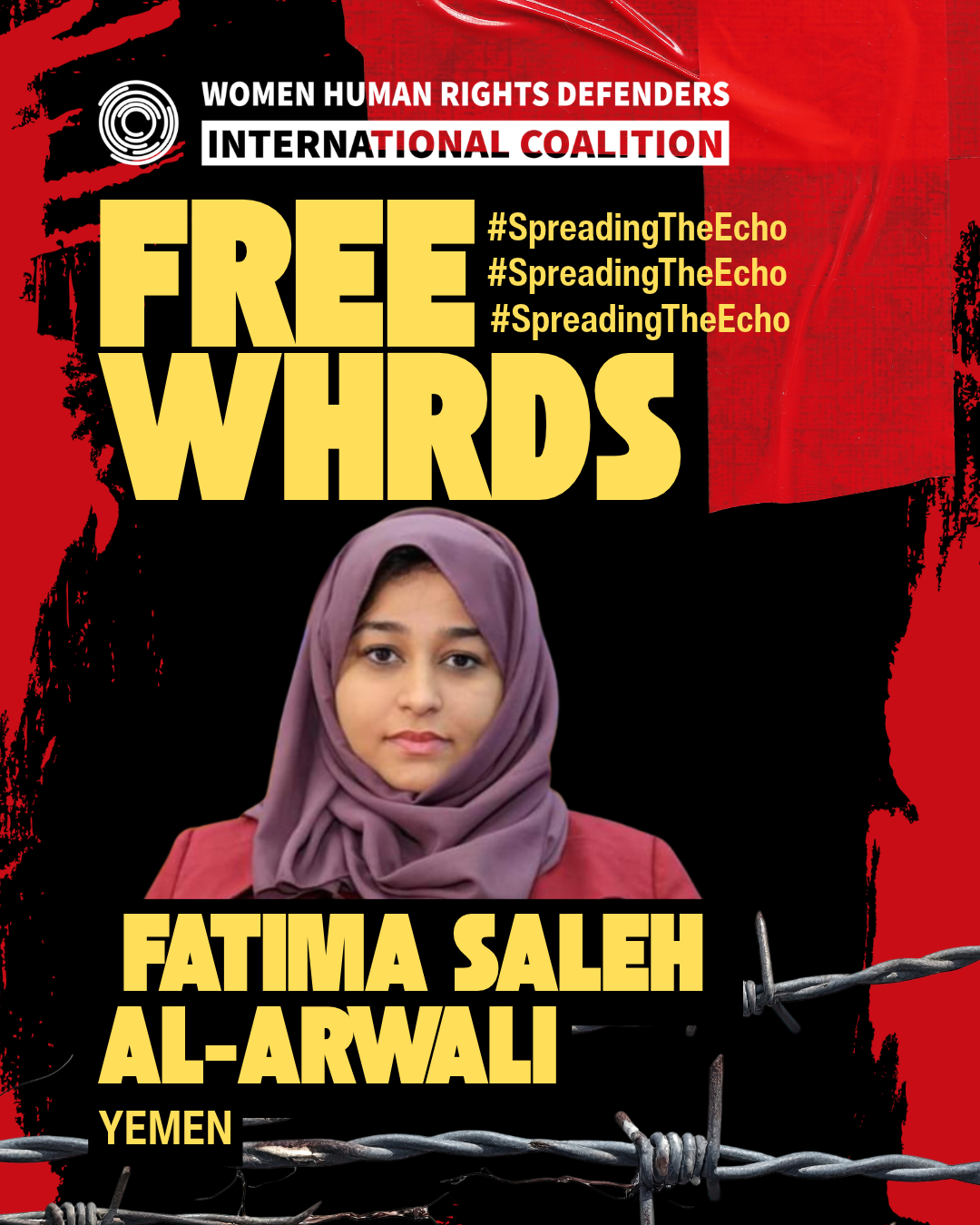
On 14 August 2022, Fatima Saleh Al-Arwali was arrested by Houthi authorities. In December 2023, the Specialised Criminal Court of First Instance issued a discretionary death penalty against Fatima Saleh Al-Arwali on arbitrary charges evidently related to her work in defending human rights, including the rights of women and children. However, her case remains ongoing.
Fatima Saleh Al-Arwali is a Yemeni woman human rights defender and head of the Al-Habitat Organisation for Human Rights Development.
In January 2024, media reports indicated that she might soon be put to death, but they were proven to be untrue, and she remains in prison.
Iryna Danylovych
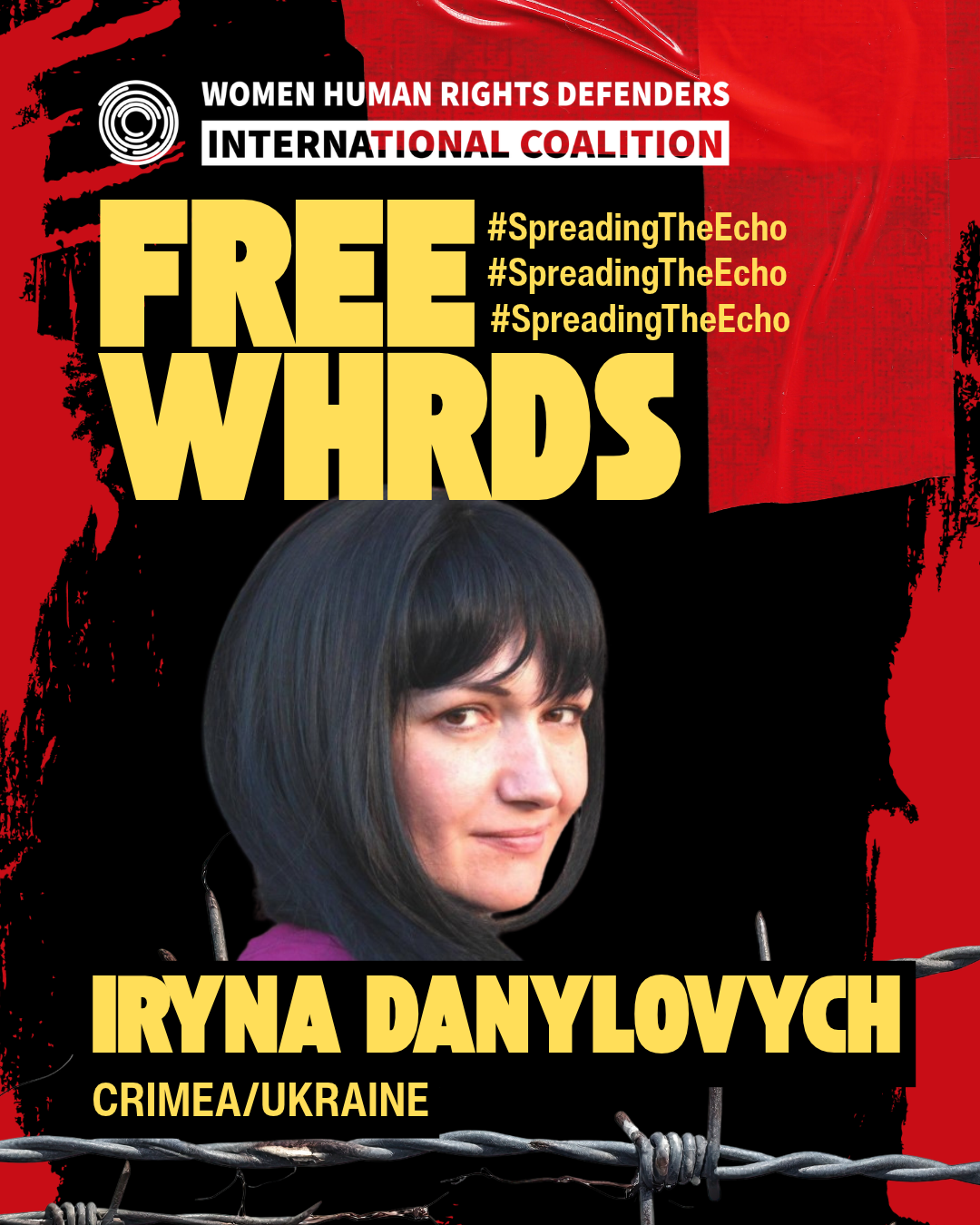
In 2022, Iryna Danylovych, a human rights defender and civic journalist from Crimea, was sentenced to 7 years in prison for allegedly possessing explosives. She is currently held at Penal Colony #7 in Zelenokumsk, Russia.
In 2023, the Supreme Court of Russian-occupied Crimea reduced her sentence by just one month. Iryna covered political trials, the persecution of Ukrainian activists and Crimean Tatars, and healthcare rights violations following the Russian occupation.
A medical professional herself, Iryna has been vocal about the healthcare system in Crimea, especially during the COVID-19 pandemic, creating the page "Crimean Medicine Without a Cover" to expose corruption and advocate for healthcare workers.
Abducted by Russian security agents, she endured inhumane treatment, including polygraph tests and suffocation. In detention, she developed chronic ear inflammation due to sub-zero temperatures.
Despite severe pain and hearing loss, authorities have denied her adequate medical care. The inadequate access to medication and unsanitary conditions further exacerbate her suffering, with limited access to prescription drugs contributing to the spread of disease.
Iryna collaborated with independent media outlets like "INжир" and "Crimean Process."
Frenchie Mae Cumpio
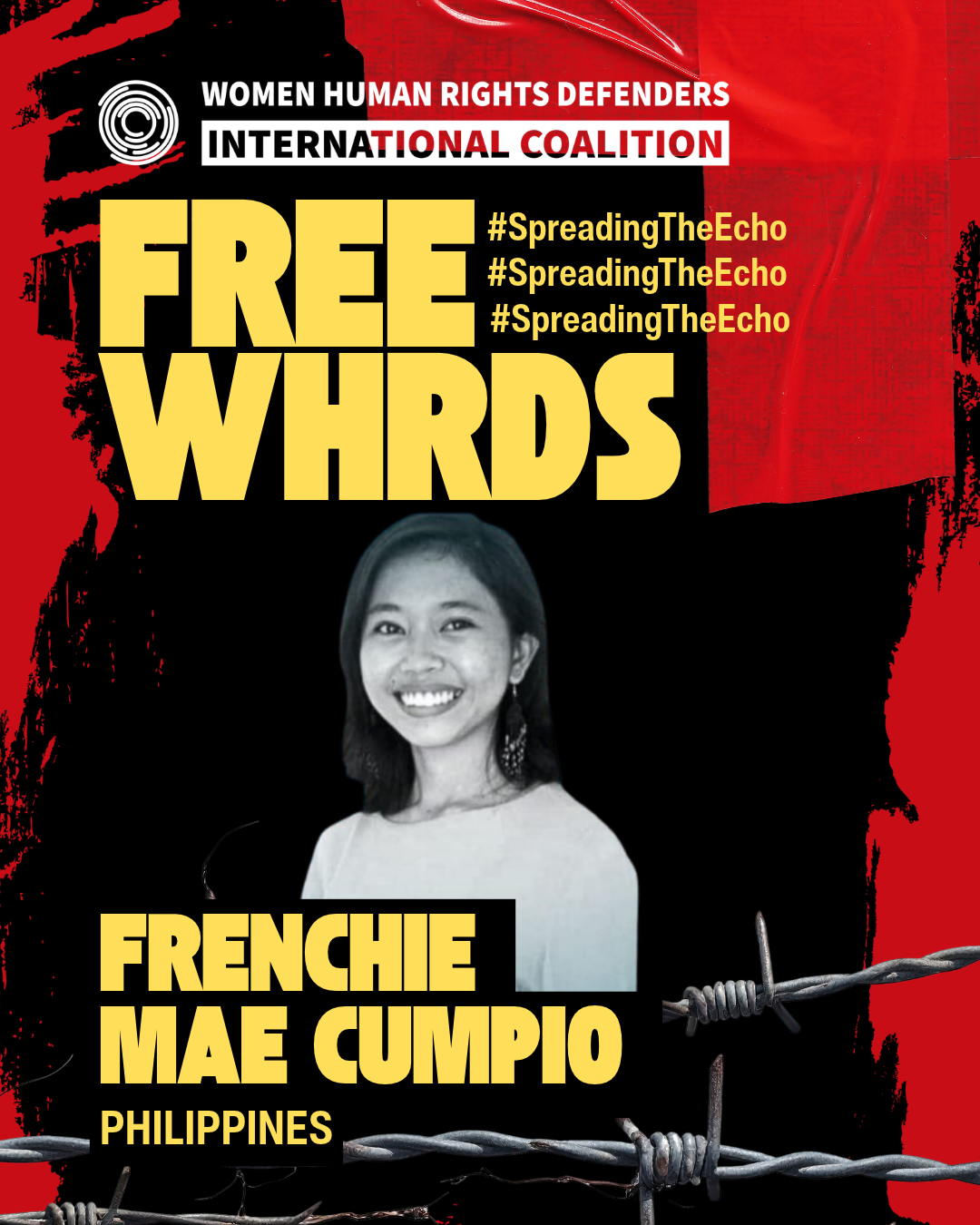
On 22 January 2026, Frenchie Mae Cumpio was convicted of terrorism financing and sentenced to 12–18 years in prison. She was arrested in 2020, when police and military forces raided her rented room following months of surveillance and red-tagging linked to her journalism. Following her conviction, she applied for bail, but the court rejected her request. The Court of Appeals also dismissed her bail petition. In the latest development, her lawyers filed a motion for reconsideration on 7 August 2026, while her appeal against the conviction remains pending.
Frenchie Mae Cumpio is a community journalist from the Philippines. In 2018, she joined Altermidya, an independent media network. Before her arrest, she hosted a radio programme on Aksyon Radyo-Tacloban DYVL 819 and served as the Executive Director of Eastern Vista, a news website. Through these roles, she reported on issues affecting local and marginalised communities. Her work covered human rights concerns in Eastern Visayas, including the killing of farmers, land grabbing, and abuses by the military and police.
Over the years, Frenchie has been recognised for her courage and commitment to journalism, including through nominations for the 2025 Reporters Without Borders Courage Prize and the 2026 UNESCO/Guillermo Cano World Press Freedom Prize. In May 2026, she also received the Wallis Annenberg Justice for Women Journalists Award from the International Women’s Media Foundation.
Ayşe Gökkan
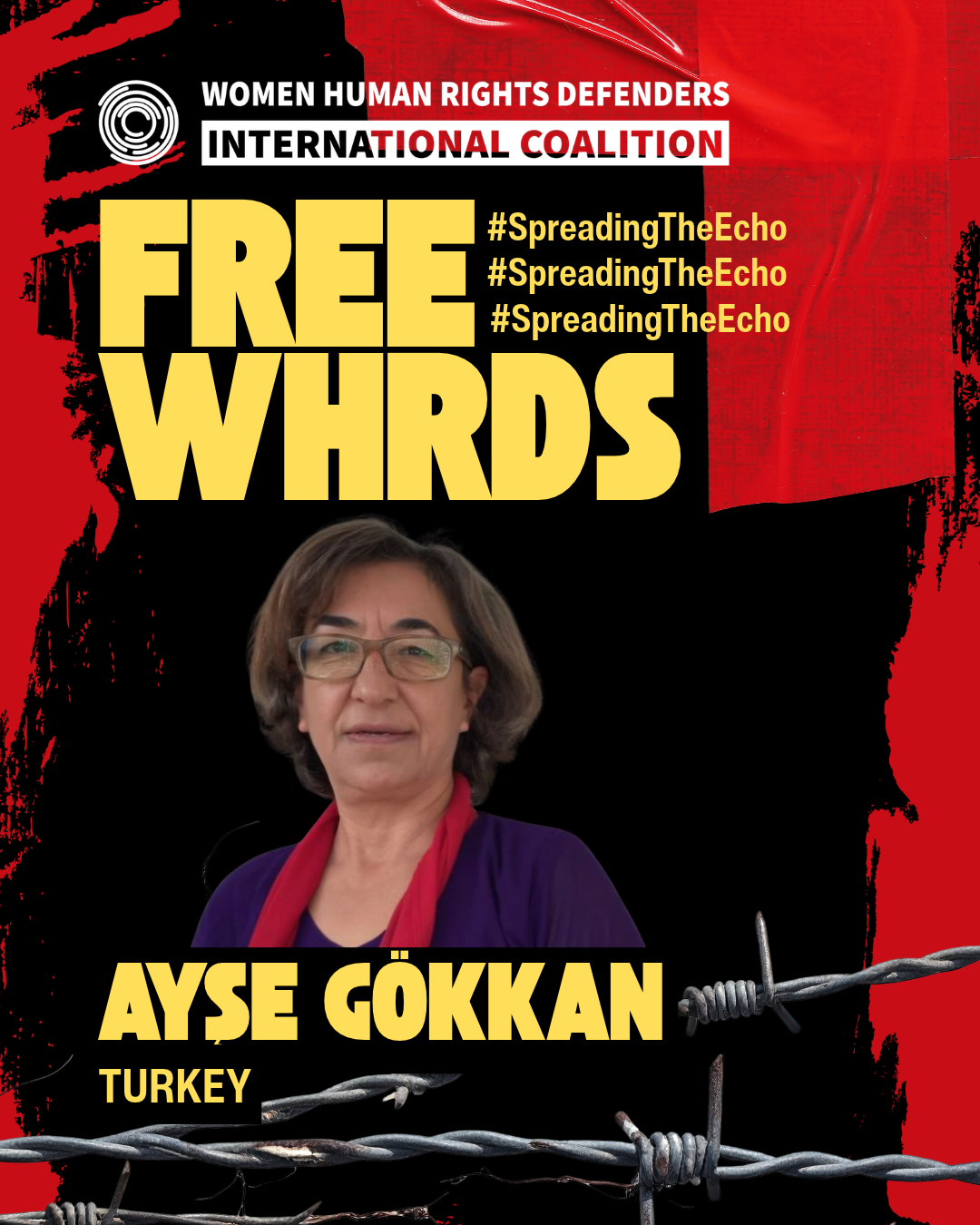
Ayşe Gökkan has faced several criminal proceedings because of her social activism. On 20 October 2021, she was sentenced to a total of 30 years in prison on multiple terrorism-related charges, following a trial marked by violations of due process. Subsequently, the Turkish Court of Cassation partially overturned the convictions and ordered a retrial. On 19 June 2026, the Diyarbakır 9th Heavy Penal Court delivered its verdict in the retrial, sentencing Ayşe to 19 years and 6 months in prison on charges of “membership in a terrorist organisation” and ordering her continued detention.
Ayşe Gökkan is a Kurdish woman human rights defender who has devoted decades to advocating for women’s rights, Kurdish rights and democratic participation. She became widely known for her leadership in the Free Women’s Movement (Tevgera Jinên Azad – TJA), serving as its spokesperson and helping to promote women’s political empowerment, gender equality and women’s participation in public life. Through her activism, Gökkan has campaigned against violence and discrimination affecting women, supported the rights of Kurdish communities, and championed the principles embodied in the women’s movement slogan “Jin, Jiyan, Azadî” (“Woman, Life, Freedom”). Her human rights work and political advocacy have made her one of the most prominent voices in the Kurdish women’s movement, while also exposing her to repeated arrests, prosecutions and imprisonment by the Turkish authorities.
Ayşe Gökkan’s family lives in Şanlıurfa, while she is currently being held at Sincan Women’s Closed Prison in Ankara, approximately 584 kilometres away from her family. Her family travels to Ankara every month for open visits but is unable to visit her during closed visiting hours.
During her time in prison, Ayşe Gökkan has developed chronic hypertension. She also receives regular injections due to a lack of fluid in her knee joints. In addition, she suffers from severe hearing loss and underwent eyelid surgery while in prison.
In 2023, Ayşe Gökkan was awarded the Paul Grüninger Prize by the Paul Grüninger Foundation in recognition of her extraordinary courage, humanity and impartiality in the field of human rights.
Thelma Montenegro Centeno
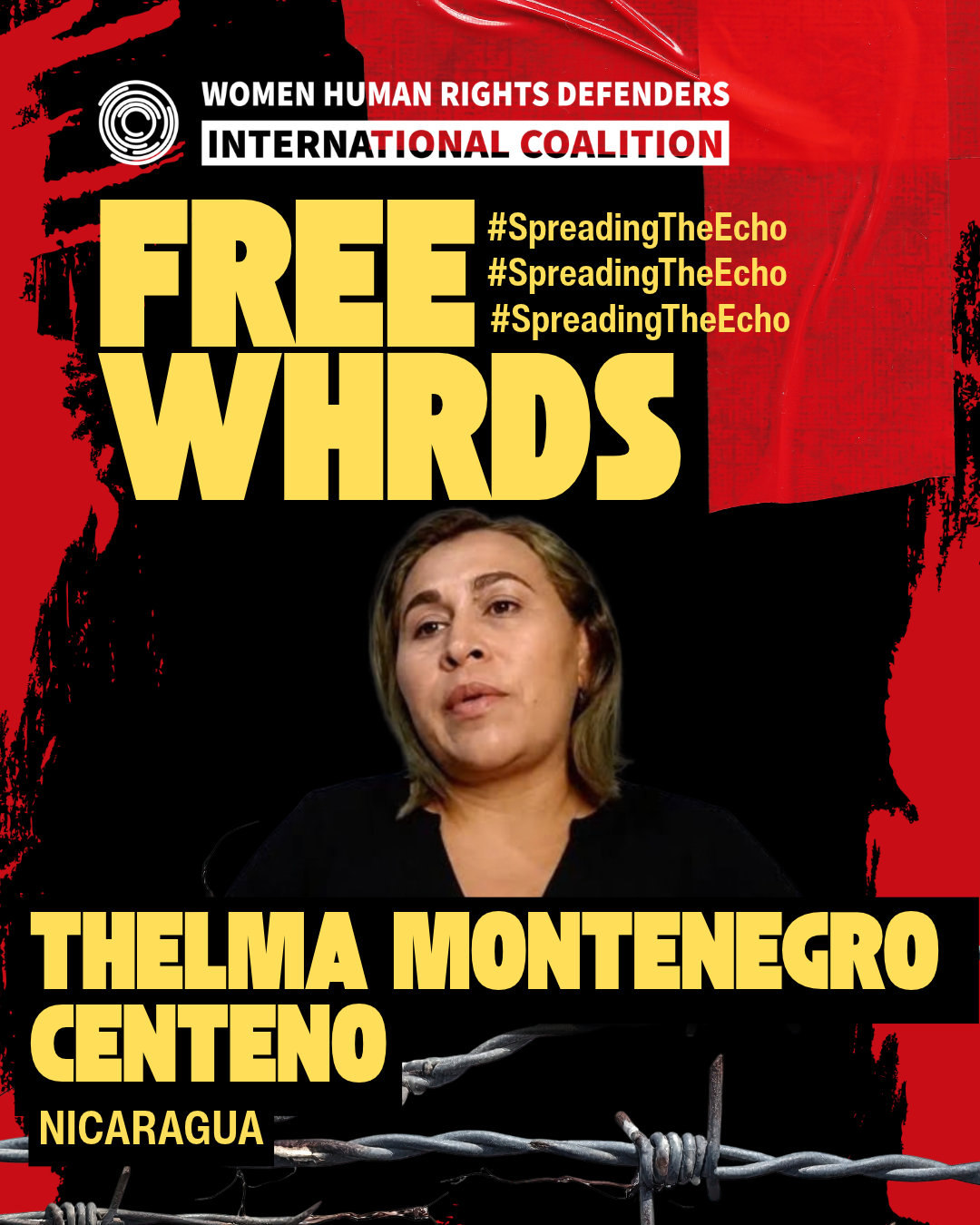
On 23 August 2026, Thelma Montenegro Centeno was arrested at her home in the department of Jinotega. She had previously been arrested on 19 August after going to renew her driver’s licence. She remained in custody until 22 August, when she was released, only to be re-arrested the following day after a police patrol arrived at her home. Despite repeated efforts by her family, they have been unable to contact her, and her whereabouts remain unknown.
Thelma Montenegro is a human rights defender and a member of the Asociación Madres de Abril (AMA). Aged 54, she is the mother of three adult children. She is the sister of Oliver and Edgard Montenegro and the widow of Francisco Blandón, who were allegedly murdered by paramilitaries in 2019. The human rights defender has called for truth and justice for her family members. Other members of her family, Dorlin and Oliver Montenegro, were imprisoned between 2020 and 2023 before being exiled and denationalised.
Thelma Montenegro has health conditions and a medical history that require daily medication and ongoing medical monitoring.
Ulviyya Ali
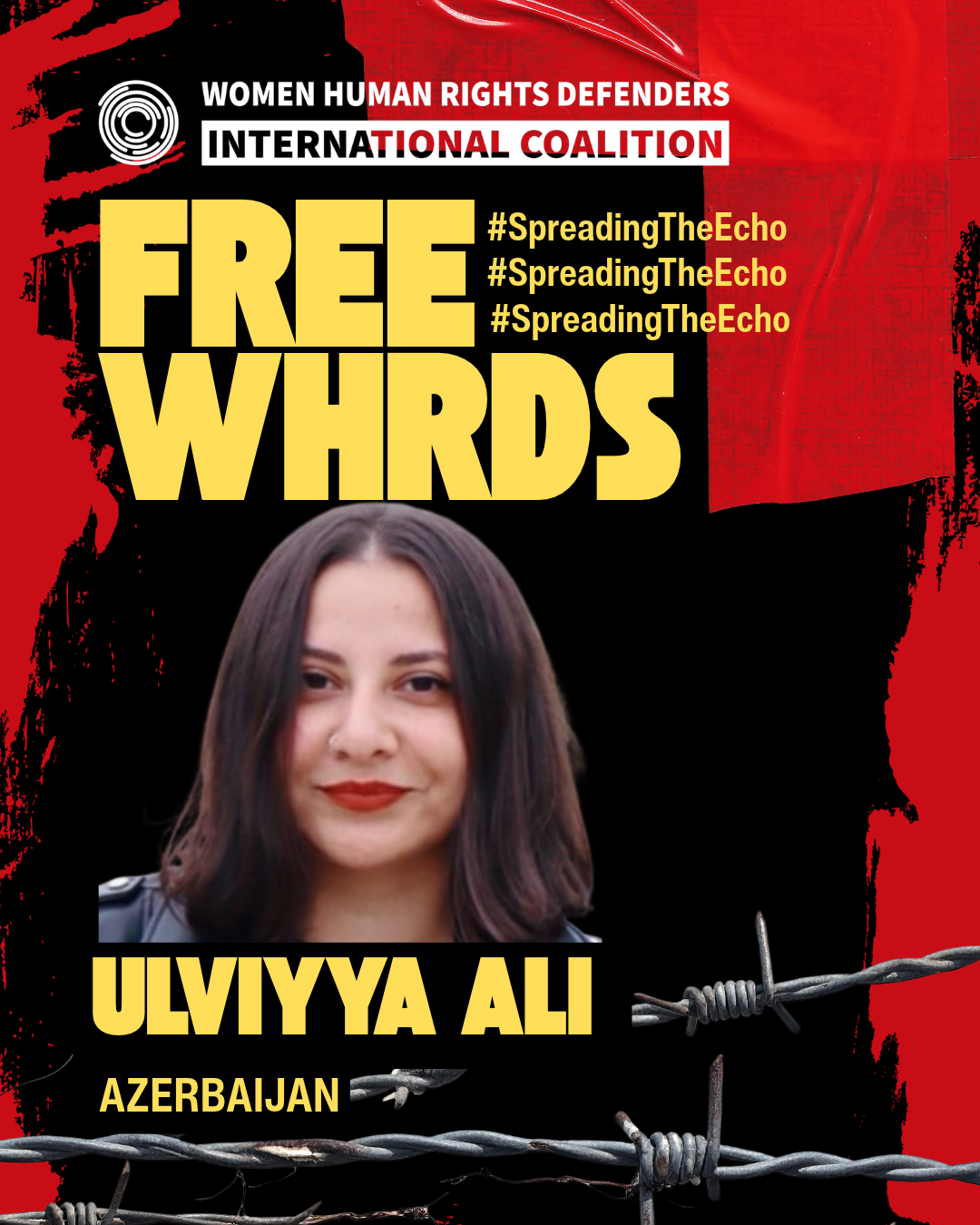
On 7 May 2025, Ulviyya Ali was detained in connection with the “Meydan TV case” and placed in pre-trial detention. She and others arrested in the same case were charged under Article 206.3.2 of the Criminal Code of Azerbaijan (smuggling by a group of persons acting in concert). Ulviyya denied the charges, stating that she was not affiliated with Meydan TV and had made this clear four months before her arrest. She considers her detention to be linked solely to her journalistic activities.
Ulviyya Ali (Guliyeva) is an Azerbaijani woman human rights defender, journalist and photographer. She has collaborated with various independent media outlets as a freelance journalist and photographer. Since 2016, her journalistic work has documented issues of social injustice, regardless of individuals’ religion, ethnicity, political views, gender or sexuality.
Long Kunthea
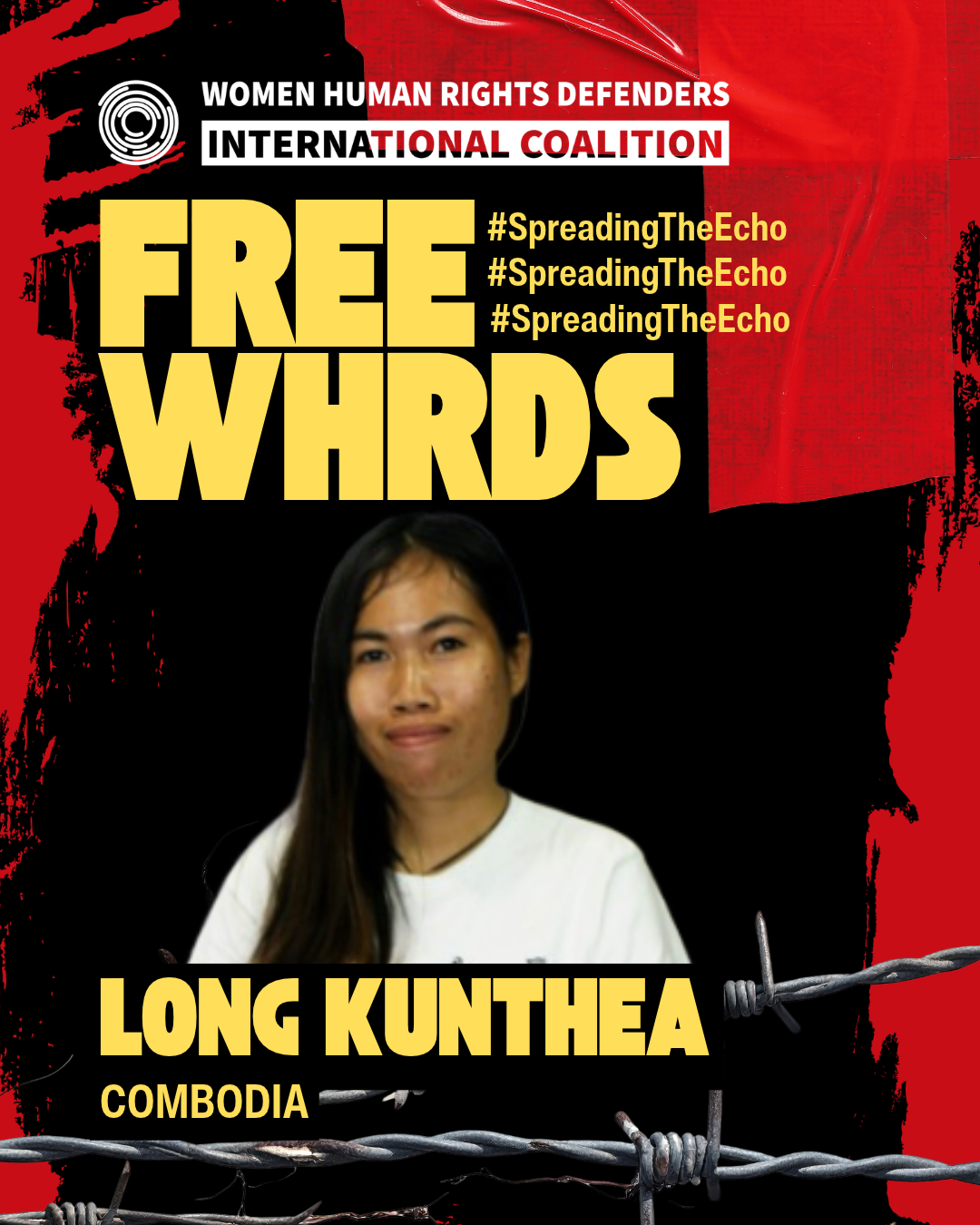
On 2 July 2024, Long Kunthea and ten colleagues from the same NGO were convicted of plotting against the state. Five of them, including Kunthea, were tried in absentia. She was sentenced to six years in prison and is currently being held at Preah Vihear Prison, far from her family. The Supreme Court has repeatedly denied her bail, most recently in March 2026, and her appeal hearing, scheduled for 2 June 2026, was postponed indefinitely.
Prior to this conviction, Long Kunthea had already served 14 months in prison between 2020 and 2021. At the time, she was arrested alongside two colleagues for planning a one-woman march to protest the filling-in of Boeung Tamok Lake.
Long Kunthea is a Cambodian environmental activist and a member of the NGO Mother Nature Cambodia. A former teacher, she became involved in environmental protection activities in 2018. Her activism focuses on environmental protection, community rights and the preservation of Cambodia’s natural resources through advocacy and public awareness campaigns.
Mother Nature Cambodia has a long track record of environmental advocacy in Cambodia, accompanied by an equally extensive history of harassment targeting its staff.
Chow Hang-tung
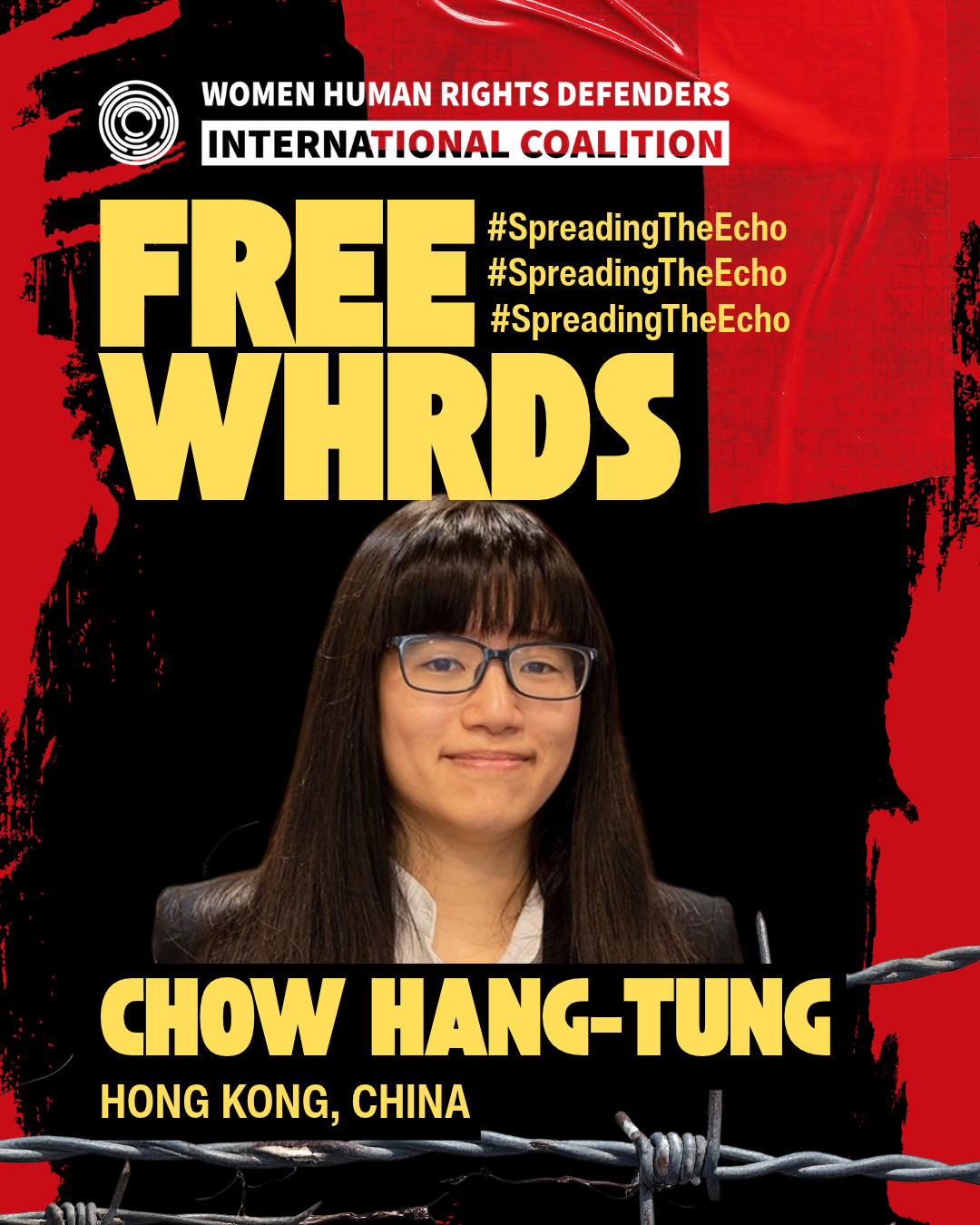
Chow Hang-tung has been detained since September 2021. In September 2026, she was sentenced to seven years and three months in prison for “inciting subversion of State power”, a charge often used against activists and dissidents in Hong Kong.
Chow Hang-tung is a human rights advocate and barrister based in Hong Kong. She has been actively involved in various civil society organisations and has advocated for democracy, freedom of speech, and human rights in the region. She served as vice-chairperson of the now-disbanded Hong Kong Alliance in Support of Patriotic Democratic Movements of China, which organised the city's annual candlelight vigils commemorating the victims of the Tiananmen crackdown.
She has been arrested multiple times for her participation in connection with her activism, including her calls to commemorate the Tiananmen crackdown. Chow has been targeted by authorities for her involvement in the Hong Kong Alliance in Support of Patriotic Democratic Movements of China, which organised the Tiananmen Vigil and advocated for democracy and human rights in Hong Kong and China.
Nourah bint Saeed Al-Qahtani
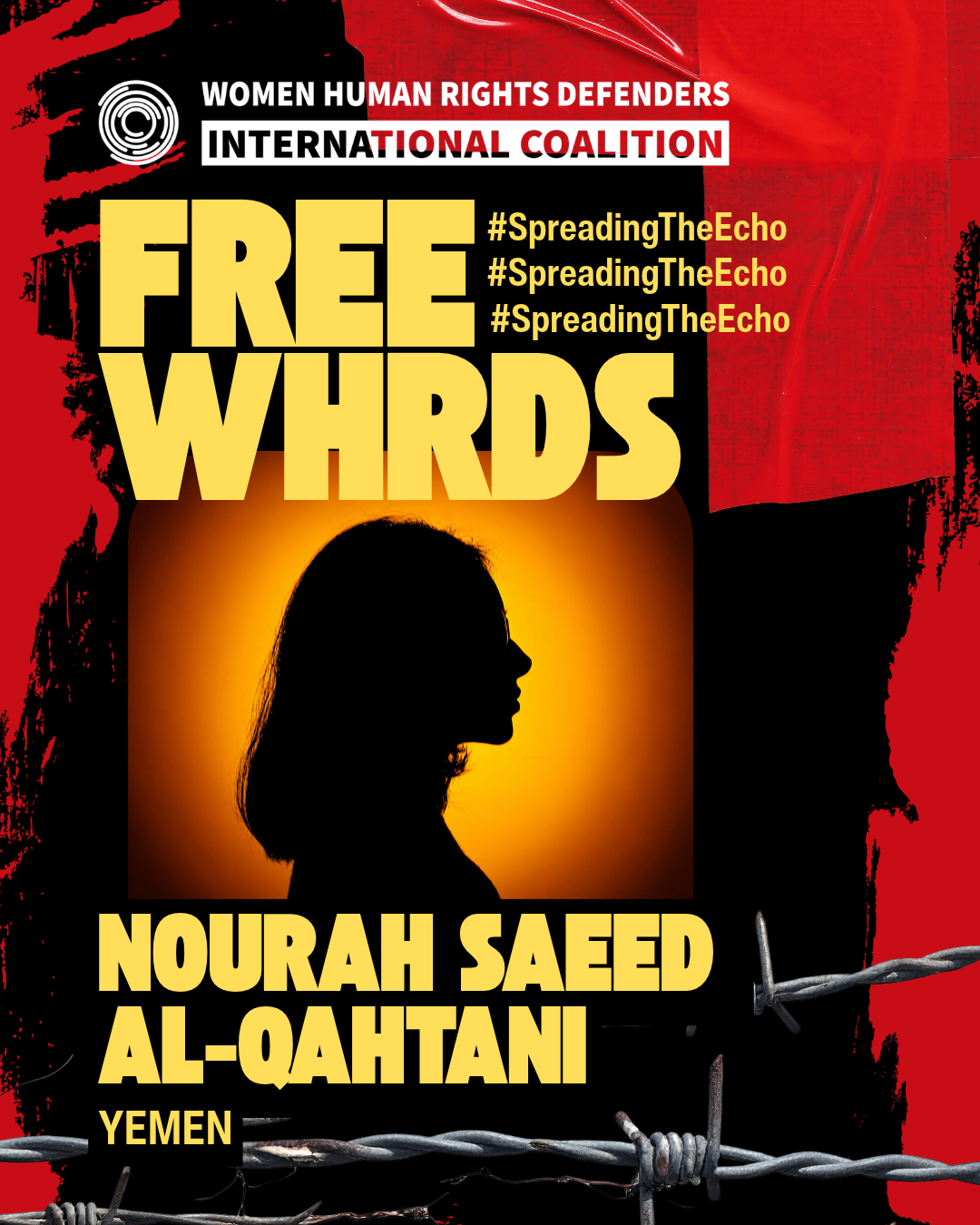
In August 2022, Nourah bint Saeed Al-Qahtani was sentenced by the Specialised Criminal Court in Saudi Arabia to 45 years in prison.
The Court also ordered that her phone and SIM card be confiscated, and that both of her Twitter accounts be shut down.
She was retried in September 2024 and subsequently re-sentenced to 35 years in prison followed by a 35-year travel ban, on the basis of the Anti-Cybercrime Law and the Anti-Terrorism Law.
Her conviction was based on allegations of using Twitter accounts to criticise government policies and to call for the release of prisoners of conscience.
She was also charged with possession of a banned book.
Nourah Al-Qahtani regularly shared her views on social media on Saudi political affairs. She was active on Twitter (now X) through two anonymous accounts, through which she advocated for human rights in Saudi Arabia, called for the release of political detainees and criticised human rights abuses committed by the Saudi authorities.
Ruth López
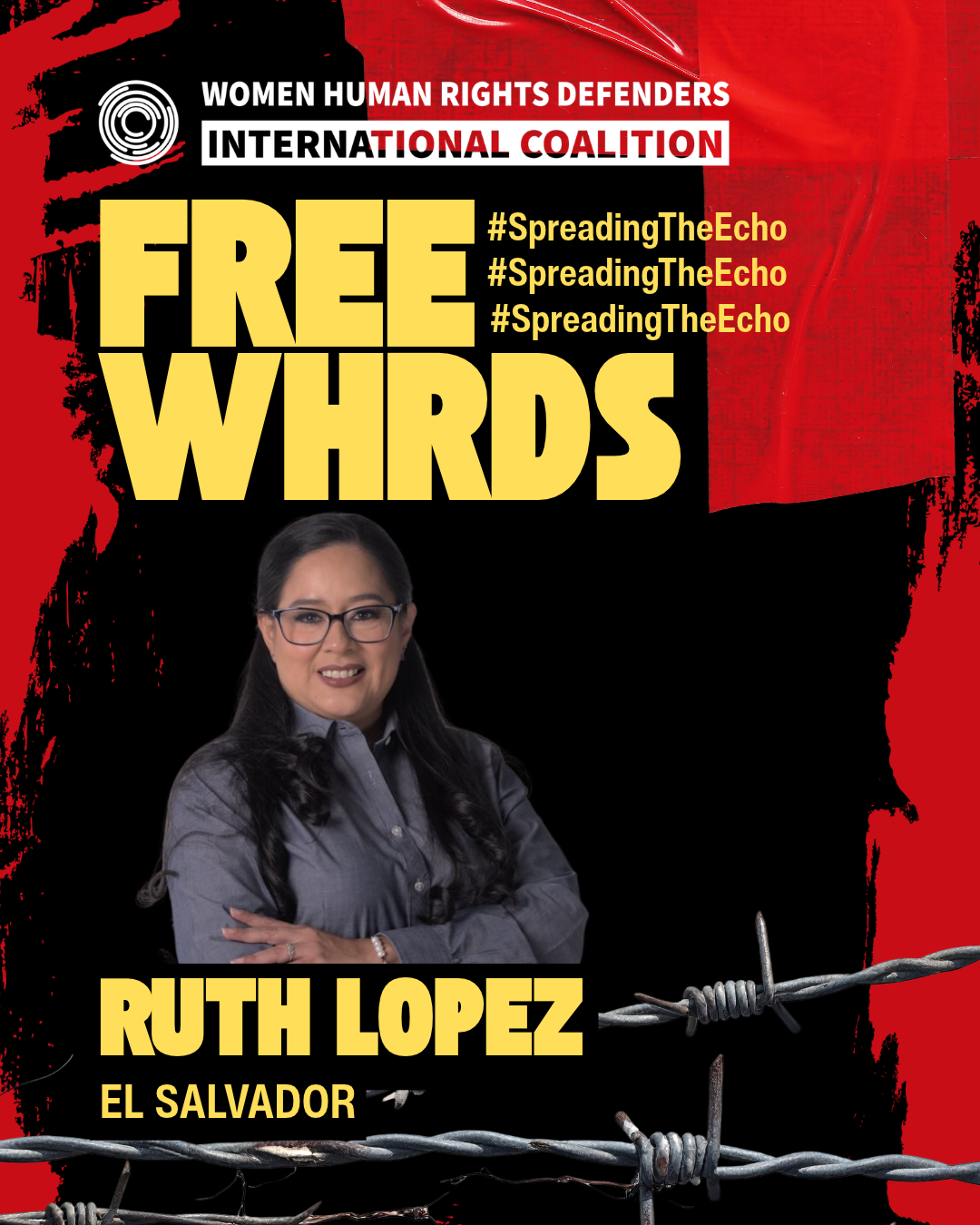
In May 2025, Ruth Eleonora López Alfaro was arbitrarily detained in a process described by international organisations as an act of political retaliation. She continues to face charges of “illicit enrichment”, which have been described as fabricated. She remains in pre-trial detention, has been denied alternative measures, and the precautionary measures issued in her favour by the Inter-American Commission on Human Rights have not been fully implemented.
Ruth Eleonora López Alfaro is a lawyer. She dedicated her career to strengthening public institutions from within. She worked at the Supreme Electoral Tribunal, the Salvadoran Social Security Institute, and the Superintendency of Competition, leaving a mark of professionalization and accountability.
In 2021, Ruth took over as director of Cristosal's Anti-Corruption and Justice Unit, where she denounced irregularities in the use of public funds, corruption during the pandemic, espionage with Pegasus, and violations of due process under the state of emergency.
Her leadership has transcended borders. She was included in the BBC 100 Women list (2024) and received the 2025 International Human Rights Award from the American Bar Association for her defense of human rights.
Beyond her career as a lawyer, Ruth is known for her integrity, discipline, and human warmth. Those who know her highlight her firm character, her ability to listen, and her sensitivity to the suffering of victims.
She has a deep conviction that decency is a form of resistance and that legal knowledge must always be put at the service of human dignity.
Her phrase, “Have some decency. One day this will end,” uttered at the time of her arbitrary detention in May 2025, has become a symbol of democratic resistance in El Salvador.
Ruth’s family has raised concerns about her particularly delicate health condition. Her case has been conducted under judicial seal, rendering the proceedings opaque and severely limiting her right to a defence.
Mahboubeh Shabani
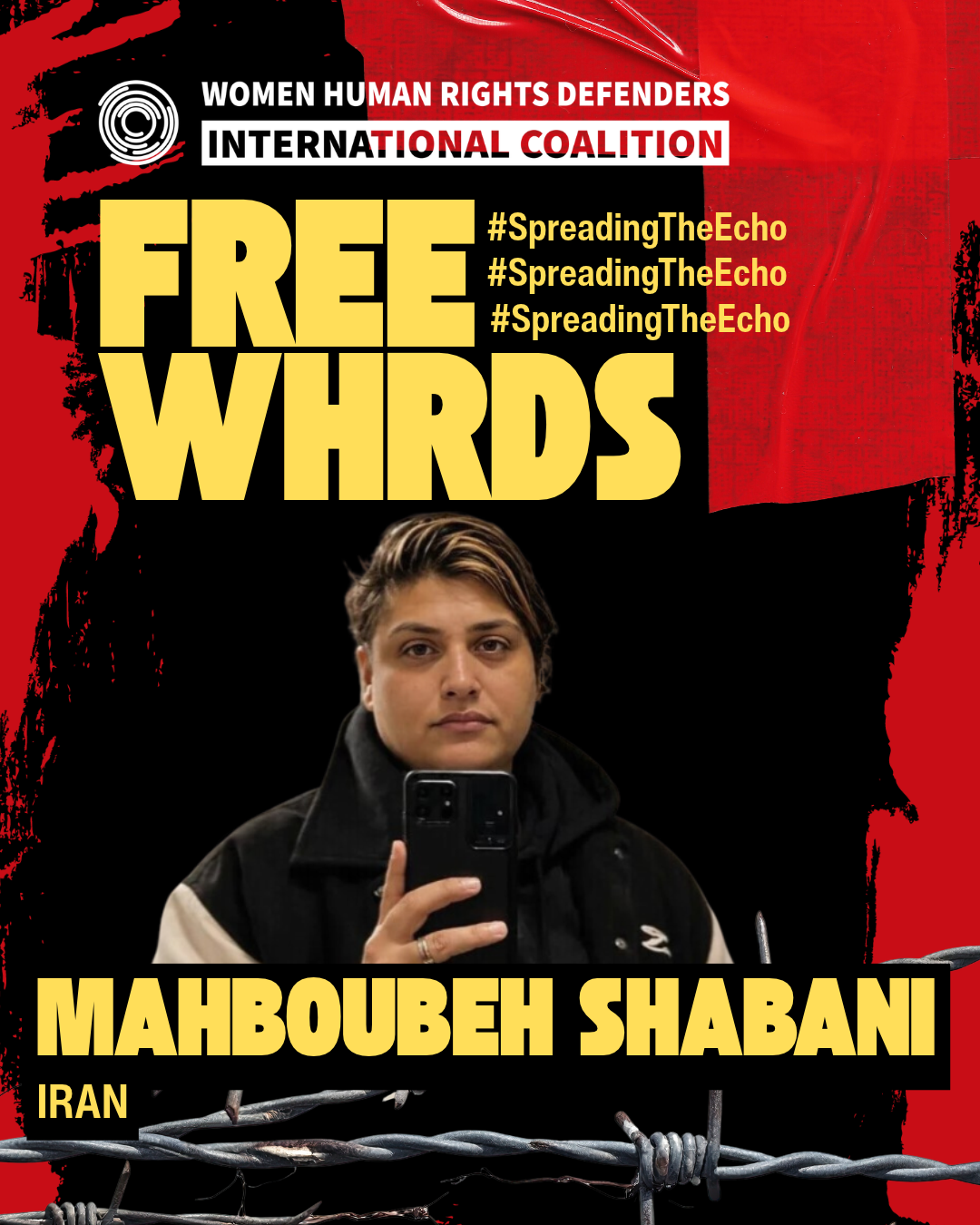
Mahboubeh Shabani, a 33-year-old Iranian woman, was sentenced to death by Branch One of the Revolutionary Court in Mashhad in September 2026. She was convicted on security-related charges described by the authorities as “operational action to strengthen Israel, the United States and agents affiliated with opposition groups”, under Iran’s new espionage legislation.
The prosecution is reportedly linked to her provision of humanitarian assistance to injured protesters during the nationwide demonstrations of January 2026. She remains imprisoned in Vakilabad Prison in Mashhad. On 28 September 2026, two days after being notified of her death sentence, she was transferred to solitary confinement, raising serious concerns about her safety and the possibility of imminent execution. No final appellate ruling has been independently confirmed.
Mahboubeh was professionally involved in construction projects and was reportedly preparing to sit Iran’s professional engineering examination before her arrest. She also practised martial arts and was known for her physical strength and independence. During the protests, she reportedly used her personal motorcycle to transport injured demonstrators to medical facilities, helping those who might otherwise have been unable to access emergency treatment. Her actions reflected a commitment to protecting human life and supporting people facing state violence.
Gulzadi Baloch
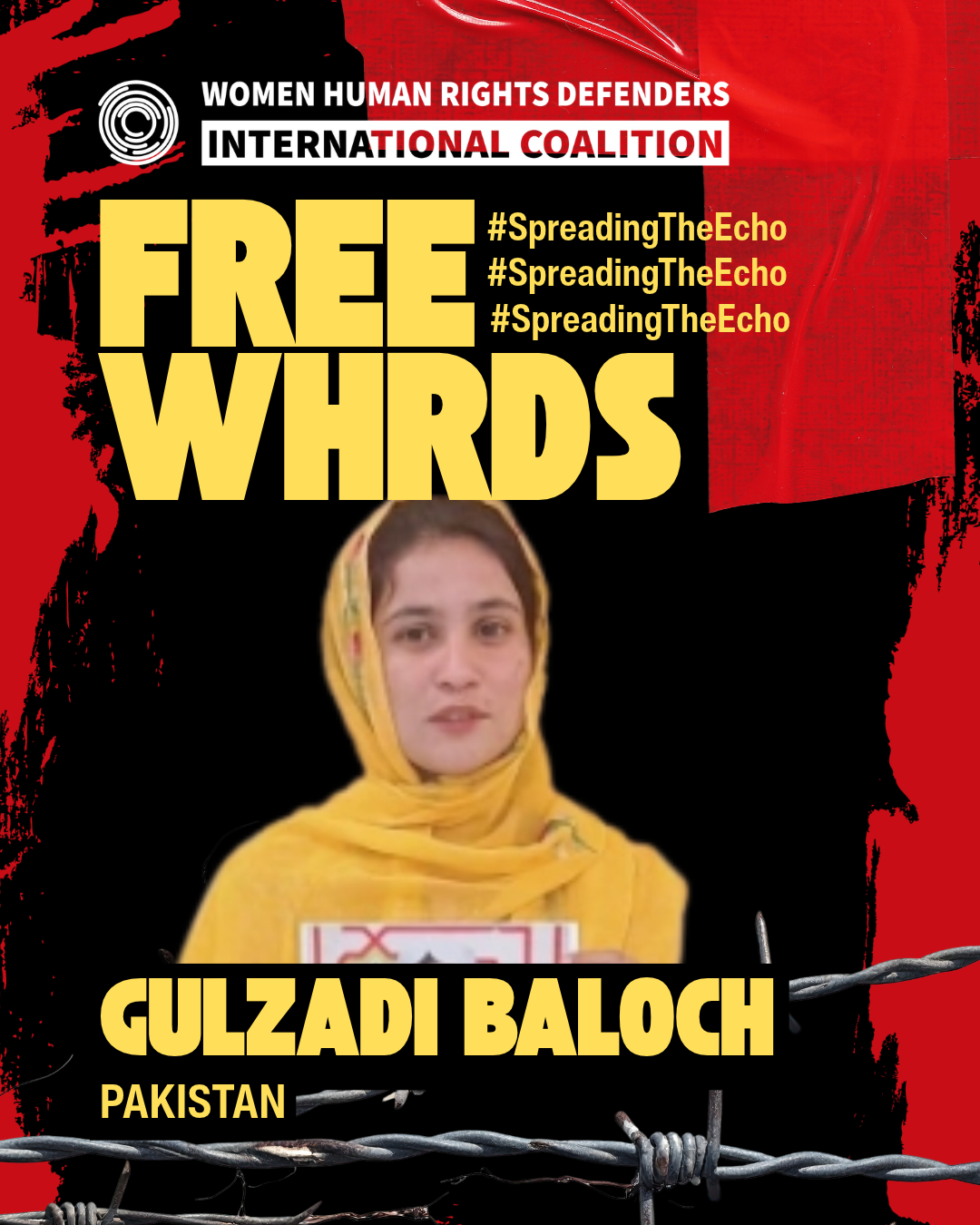
Gulzadi Baloch’s imprisonment has unfolded amid a broader crackdown on members and leaders of the Baloch Yakjehti Committee (BYC). She was arrested in Quetta on 7 April 2025. In September 2026, she was sentenced to life imprisonment under Section 302 of the Pakistan Penal Code in connection with a murder case registered at Mach police station in 2022. Her lawyers have challenged the conviction and raised serious concerns about the proceedings. Gulzadi’s case therefore lies at the intersection of prolonged detention linked to her BYC activism and a subsequent criminal conviction whose legal basis and procedural conduct are being challenged by her legal team.
Gulzadi Baloch is a woman human rights defender and a member of BYC, advocating for the rights of the Baloch community and an end to enforced disappearances and other human rights violations in Balochistan. Originally from Mach, in Balochistan’s Bolan district, she began her activism after her brother went missing in August 2021. Her search for him brought her into contact with other families of disappeared persons. She subsequently became active in BYC, participating in peaceful protests and speaking publicly about enforced disappearances and the rights of Baloch families. She is also a Brahui-language poet whose writing addresses resistance, missing persons and the sardari system.
She has described how thousands of families have transformed the experience of losing loved ones into resistance. Writing about herself and other human rights defenders, she stated: “We are the voice of the disappeared. We are their echo — and this echo will never fade.”
Ngoenta ‘Manee’ Khamsaen
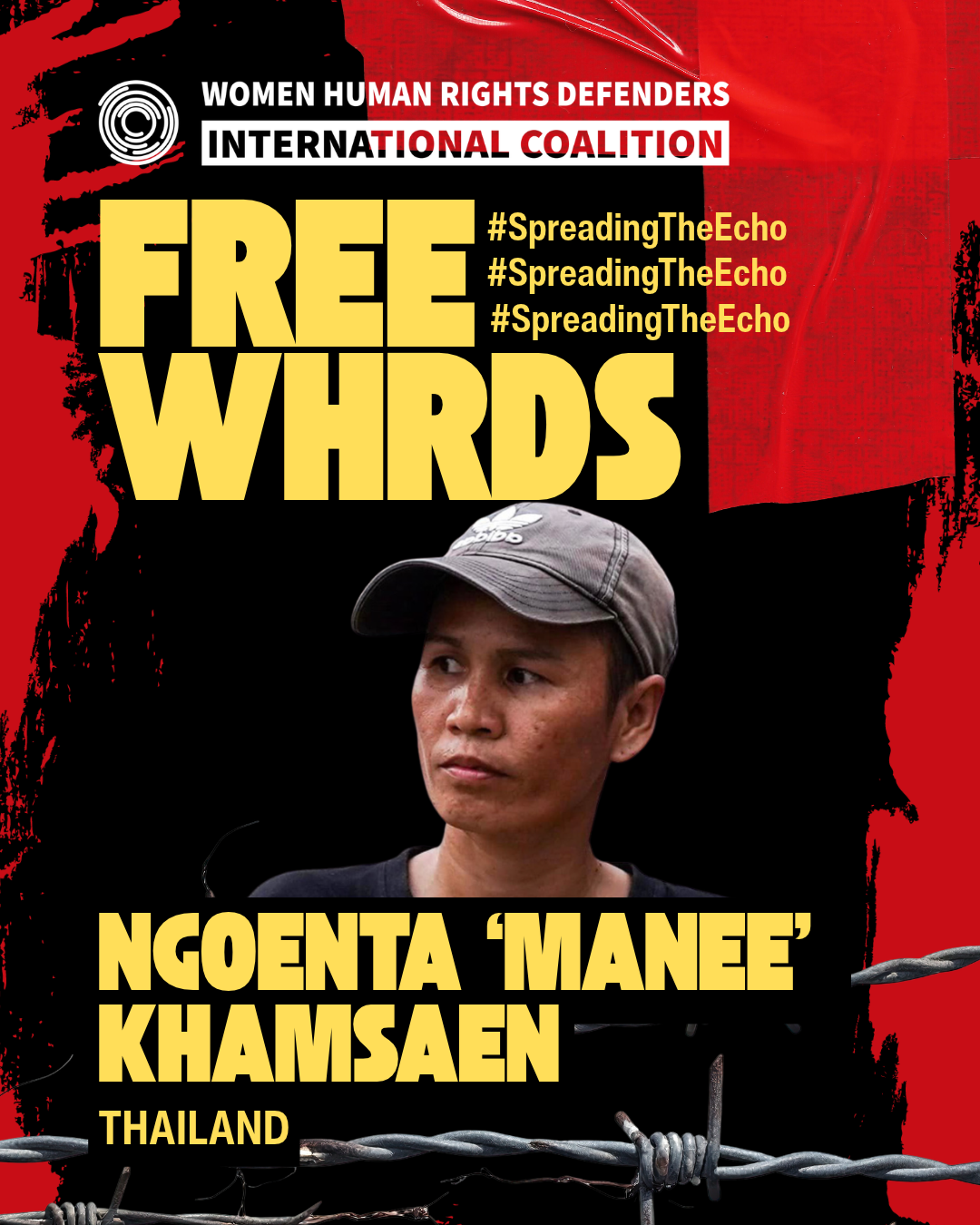
On 18 July 2024, Ngoenta ‘Manee’ Khamsaen was sentenced to three years and six months in prison for participating in a protest demanding bail for two women activists.
Manee has been imprisoned at the Central Women’s Correctional Institution for more than two years, yet she continues to advocate for the rights of fellow political prisoners. Although Thailand recently enacted an amnesty law covering individuals charged with and/or prosecuted for political expression and assembly, the law explicitly excludes lèse-majesté offences, leaving Manee and at least 29 other detainees without relief. Thailand’s lèse-majesté law criminalises defamation, insults and threats against the monarchy, carrying prison sentences of three to 15 years.
Ngoenta ‘Manee’ Khamsaen is a Thai pro-democracy activist and human rights defender known for her participation in political demonstrations and advocacy for judicial reform, particularly the right to bail for individuals prosecuted for exercising their rights to freedom of expression and peaceful assembly. Manee became involved in Thailand’s pro-democracy movement and has publicly challenged the use of criminal proceedings against political activists. Her advocacy has focused on the treatment of political prisoners, the fairness of judicial proceedings and the protection of civil liberties.
Manee’s activism has resulted in seven criminal cases and repeated surveillance by state officials.
Gita Rani Kanu
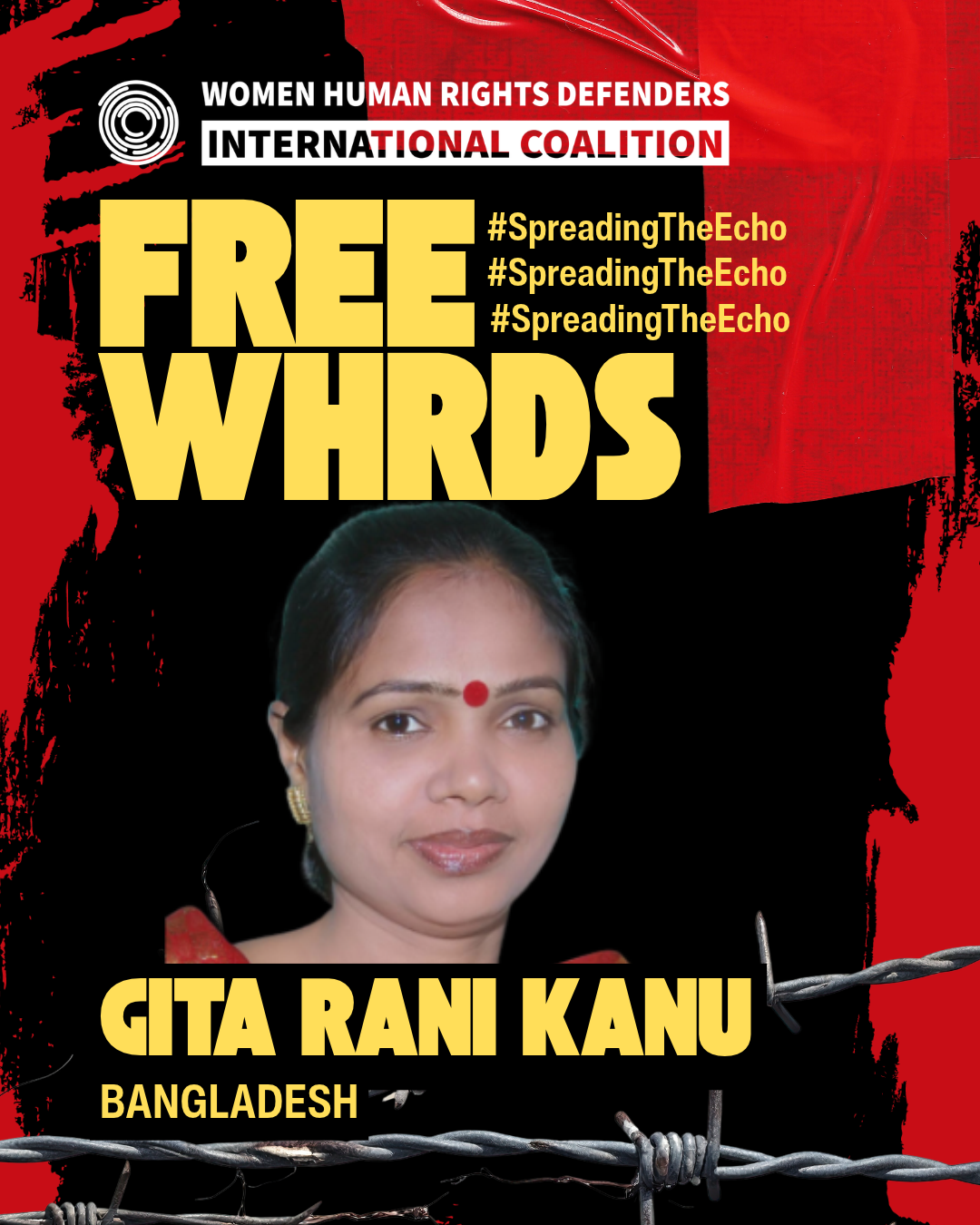
On 2 September 2026, police arrested Gita Rani Kanu. She was charged with offences relating to unlawful assembly, causing hurt, theft, property damage, criminal intimidation and abetment. Gita subsequently appeared before the Moulvibazar District Court, which ordered her detention. According to the latest available information, she remains detained at Moulvibazar District Jail.
Gita Rani Kanu is a labour rights defender from Bangladesh whose activism focuses primarily on the rights of tea garden workers. She holds organising positions in several tea workers’ rights groups. Through her work, she has advocated for fair wages, land rights and improved working conditions.
In August 2026, tea garden workers demanded a daily wage of Tk 500 (approximately USD 4.10), following a 5% increase that raised their wages from 187 Bangladeshi taka (approximately USD 1.53) to 196 taka (approximately USD 1.60). As the increase fell short of their demand, protests intensified. On 31 August, Gita led tea garden workers in a human chain in Sreemangal, Moulvibazar, reiterating their demand for a daily wage increase. This was followed by a rally towards the Labour House area. As Gita and other protesters passed the Bangladesh Tea Workers’ Union office, they were allegedly attacked by union members, leaving 10–12 protesters injured, including Gita. Following the incident, the General Secretary of the Bangladesh Tea Workers’ Union Central Committee filed a criminal complaint accusing Gita and others of assault, theft and vandalism, naming Gita as the prime accused.
***
We stay in solidarity with WHRDs and feminist movements worldwide. Our voices will be heard. Set all WHRDs FREE! #SpreadingTheEcho #freeWHRDs